
INVEST TO SAVE- New incentives Pay Almost Half of the Investment

Tim Cresswell, CEO, TCI
Article written by Tim, Cresswell, CEO, TCI
As organizations advance their strategies for managing and sustaining facilities, the mandate to reduce operational costs and greenhouse gas (GHG) emissions has never been more urgent. Solving ventilation air leakage has become one of the top energy conservation measures to reduce energy cost and GHG emissions.
In 2026, 43% of the ventilation air leakage investment can be recovered through incentives from IESO and Enbridge. The return on investment ranges between 20% -35%.
The Business Case for Ventilation Air Leakage
Starting in 2026, 43% of the ventilation air leakage investment is recovered through IESO and Enbridge incentives. The return on investment range between 20% -35%.
Hidden Cost of Ventilation Air Leakage
Authorities across the industry agree that standard ventilation ductwork typically leaks air between 15% and 40%. This is not merely a maintenance oversight; it is a significant financial drain, with data insights revealing that ventilation air leakage contributes an additional 8–12% to peak load and annual energy costs, consisting of roughly 8–9% in electricity waste and 2–3% in gas waste.

The 5-Step Optimization Process
To maximize the ROI of ventilation improvements, a systematic approach is required. The sources outline a practical 5-step summary to ensure guaranteed results and a fully recommissioned HVAC system:
1. Facility-Based Audit: A comprehensive mechanical review measuring air volume and inspecting filtration, dampers, and Variable Frequency Drives (VFDs).
2. Infrastructure Rehabilitation: Identifying major leaks, repairing defective ductwork, and cleaning clogged diffusers or coils to prepare for sealing.
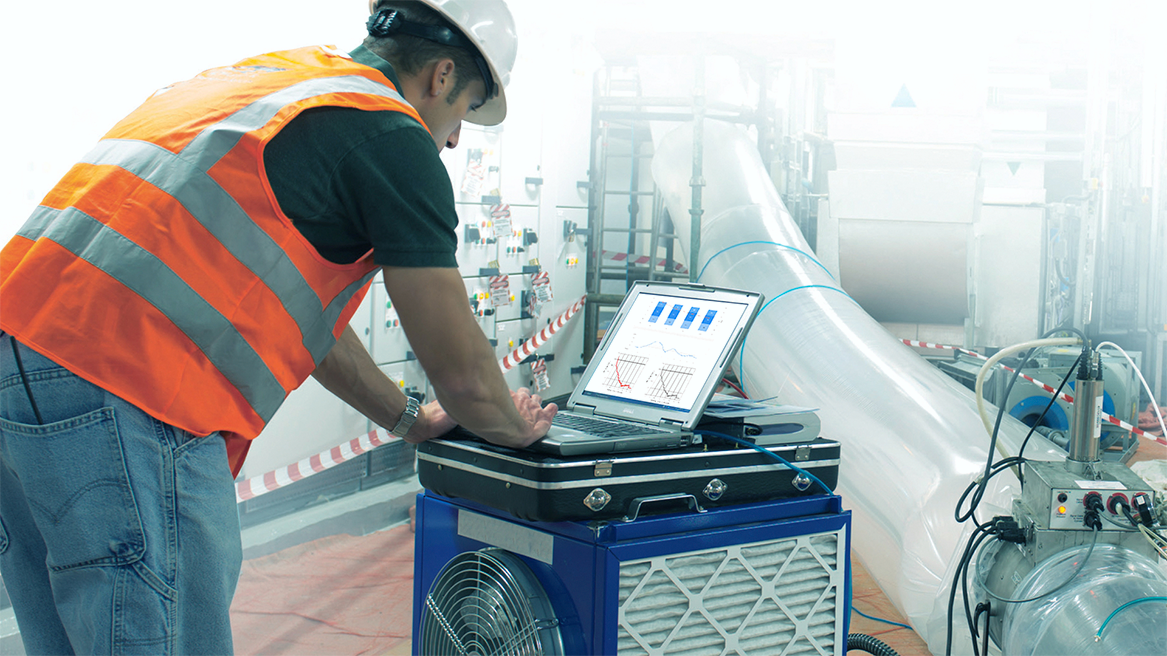
3. Aerosolized Duct Sealing: Utilizing award-winning technology to seal ducts from the inside out (up to 5/8th of an inch), ensuring desired air tightness.
4. Post-Seal Air Audit: Quantifying improvements through post-service testing to verify the reduction in leakage.
5. Energy & GHG Planning: Final optimization, which includes installing VFDs, turning down motor speeds, and reducing the percentage of outside air to harvest maximum energy savings.
Addressing ventilation air leakage is no longer just a maintenance task; it is a critical financial strategy for organizations aiming to meet the 2026 mandate to reduce operational costs and greenhouse gas (GHG) emissions.
By implementing a systematic 5-step optimization process—ranging from facility-based audits to aerosolized duct sealing—companies can eliminate the 8–12% in annual energy waste caused by standard ductwork leaks. With IESO and Enbridge incentives covering 43% of the investment cost starting in 2026 and a projected ROI of 20% to 35%, the business case for high-performance ventilation is undeniable. To discover how these energy conservation measures can benefit your facility and ensure a fully recommissioned HVAC system, contact tcresswell@thomascoleinc.com or visit IESO XLerate and Enbridge Gas for more information on available incentives.
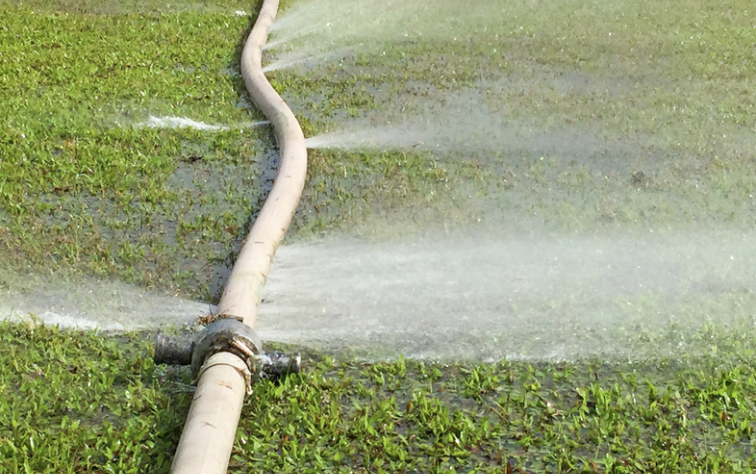
Analogy: Think of your building's ventilation system like a pressurized garden hose; if the hose is full of pinpricks, you have to run the tap much harder to get water to the nozzle. Sealing those leaks ensures all the energy you pay for actually reaches its destination rather than being wasted into the walls.