

Introduction
As Ontario’s education and healthcare sectors accelerate their net zero ambitions, industry leaders are stepping forward to share their strategies and innovations. Net Zero Times sat down with Stephen Scott, Sustainable Systems Commercialization Manager at Trane Canada, to discuss the company’s approach to decarbonization, the role of AI and data in building optimization, and the importance of engaging the next generation in the journey to net zero. The following interview, conducted by Marie Cresswell, President of Thomas Cole Inc., offers a deep dive into Trane’s philosophy, solutions, and real-world impact.
Q&A
Marie Cresswell (Net Zero Times): To advance the net zero goal in Ontario, especially in education and healthcare, we’re bringing industry leaders like yourself to our readers. Can you start by telling us a little about Trane and your focus in sustainability?
Stephen Scott (Trane Canada): Trane Technologies is a global climate innovator committed to challenging what’s possible for a sustainable world. As the parent company of Trane and other strategic brands, we drive progress through our bold sustainability philosophy, which is detailed in our ESG reports. My role is to support our salespeople and customers as they work toward net zero, guiding them through our four pillars of decarbonization: refrigerant choices, electrification of heat, energy efficiency, and leveraging renewables. We’re committed to science-based targets, and transparent reporting. There’s much more in our ESG reports for those interested in the full details.

Marie: I noticed you have the “Gigaton Challenge.” Is that an ongoing focus for Trane and your clients?
Stephen: Absolutely. Our parent company’s gigaton challenge is a commitment to reducing one billion metric tons of carbon emissions from our customers’ footprint by 2030, and we’re on track to meeting this target. Buildings account for roughly 40% of energy use in North America, and about 30% of that energy is wasted. There’s a massive opportunity to reduce emissions in the built environment, and that’s an immediate area to focus our efforts.
Marie: Can you elaborate on your decarbonization and electrification strategies?
Stephen: Our four pillars include transitioning to lower-GWP refrigerants, electrifying heat (with innovations like cold climate heat pumps), maximizing energy efficiency, and enabling renewable energy through the adoption of our thermal battery solutions. We’re also integrating AI into building systems to optimize energy use, and reduce emissions. For example, we acquired BrainBox AI to enhance building operations through artificial intelligence, which helps with scheduling, setpoint optimization, to lower operating and capital costs. Our Director of Sustainability, Scott Tew and Domenic Silva, both host a podcast called “Healthy Spaces” where these topics, and more, are discussed in depth. A recent example of this was was where a client needed us to develop design and manufacture a chiller heat pump that could produce up to 104.4°C/220°F hot aren’t meet their heating and low grade steam needs. We were able to accomplish this in less than one year.
Marie: What would be a good payback period for energy efficiency investments, such as LED retrofits?
Stephen: Most LED retrofits have already been completed, often with paybacks of less than three years—sometimes even more aggressive, depending on what’s being replaced. Now, with the low-hanging fruit gone, we need to focus on optimizing and right sizing HVAC systems and leveraging innovations like AI to drive further efficiency gains. These all will enable a better return on investment for decarbonization measures.
Marie: Do you see any recent measures that stand out as the next “low-hanging fruit” for energy savings?
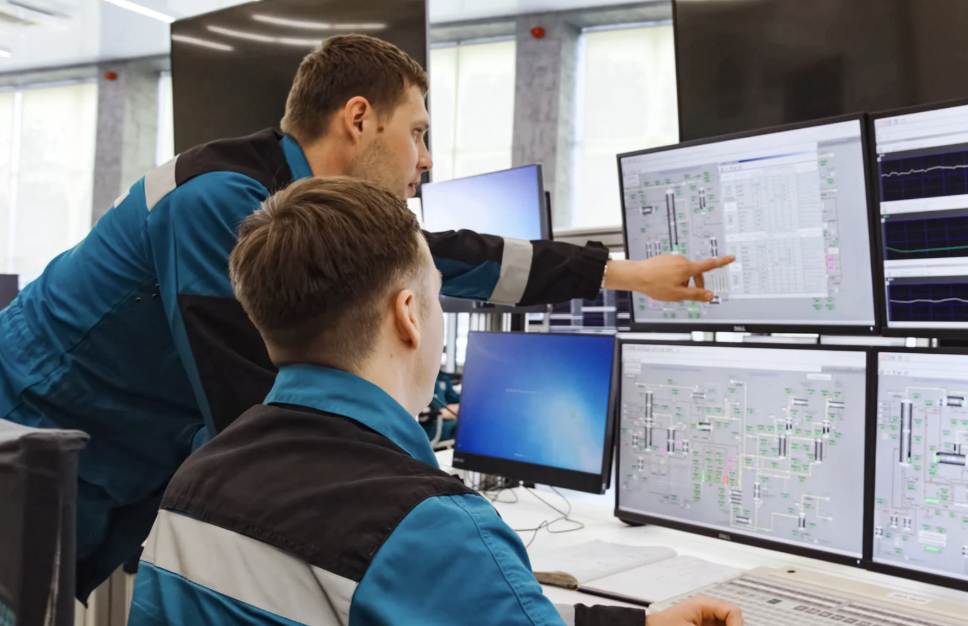
Stephen: The next step is recovering energy that’s being wasted within buildings, such as through exhaust heat recovery, and innovative heat pump technology. AI also plays a role by optimizing equipment scheduling and setpoints, ensuring systems only run as much as needed to reduce energy cost, while also extending equipment life. The first step, though, is gathering building data—connecting automation systems to the internet and normalizing load profiles with outdoor air temperature. That information is a goldmine for insight to help building owners and professionals meet their outcome of getting to net zero.
Marie: Once you have collected the data, do you create a roadmap for the customer?
Stephen: The process starts by working with the customer to determine what outcome they’re looking for. Every building is different, so we collaborate to collect data, set targets, and develop creative, interdisciplinary solutions. Major renovations or replacements are often the best times to implement these strategies, especially in financial resource-constrained vertical markets like schools. You have to take stock of the systems in place—schools, for example, use a variety of technologies. We work through solutions one step at a time, especially considering capital constraints, and the timing of major capital projects to create a roadmap for success.
Marie: Are there standout HVAC optimization strategies you recommend?
Stephen: Leveraging AI is the fastest growing optimization strategy. By reducing energy consumption now, we lower future capital costs for electrification. Historically, systems were oversized for safety, but with better data, we can right-size equipment to avoid unnecessary capital investment. AI also extends equipment life, which helps with embodied carbon reduction. I'll just touch on embodied carbon. So one of the things that Trane has started creating for our products, are Environmental Product Declarations documenting the embodied carbon. We have the EPDs available today, to help owners document what is their embodied carbon. In 2024, Trane Technologies announced our target to reduce embodied carbon by 40% by 2030.
Marie: Is oversizing HVAC equipment a common problem in the industry?
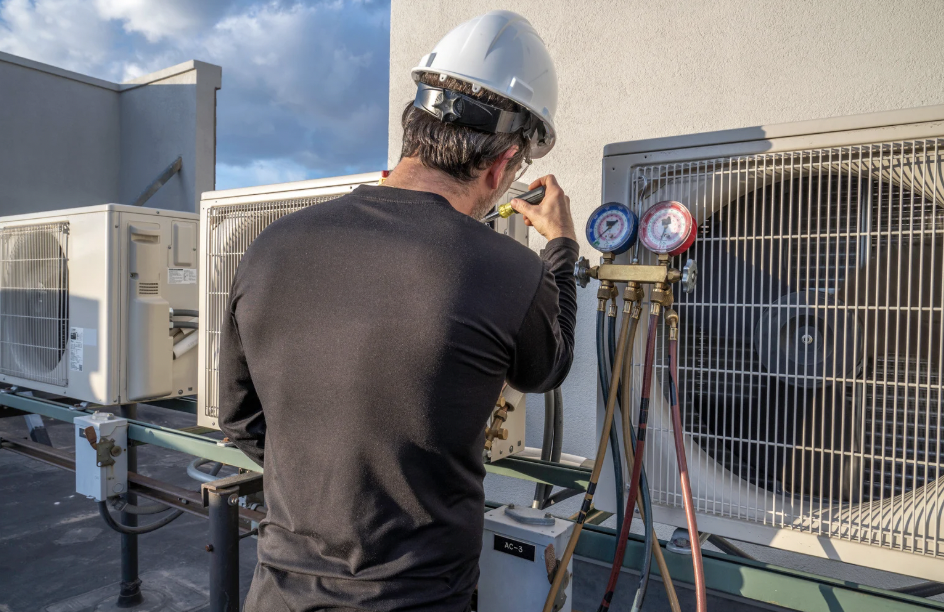
Stephen: It has been standard practice, especially for heating with fossil fuels, to oversize systems for a safety factor. But using building operational data with more efficient operations, we can avoid the trap of simply replacing like-for-like equipment, which can lead to unnecessary capital investment and inefficiency. Every retrofit should be based on actual building heating and cooling needs, not outdated rules of thumb.
Marie: How does Trane monitor and validate energy savings for clients?
Stephen: With BrainBox AI, measurement and verification is the standard process. The AI learns the building’s behaviour, predicts the future, and implements changes. Verification is done over 6 and 12-month periods to account for seasonality, and owners can decide whether to continue with the service after seeing the results. It’s a software-as-a-service model that emphasizes transparency and results. In fact, with our Energy Services teams, where we finance, develop, and build building renewal projects for our clients, we are often contractually obligated by on monitor and validate savings as part of our energy use savings guarantees. Our energy services team leverages the International Performance Measuremetn and Verification Protocol (IPMVP), a global standard for measuring and verifying energy and water savings from projects. It provides a framework for determining savings by comparing energy use before and after an energy conservation measure (ECM) is implemented, while adjusting for variables that affect consumption, like weather, occupancy, or production. The IPMVP, developed and maintained by the Efficiency Valuation Organization (EVO), provides credibility and a basis for contractual terms in energy projects.

Marie: Has there been much uptake with BrainBox AI?
Stephen: Yes, there’s been significant interest, especially from national and multi-site owners. While I can’t share specific names due to confidentiality, we have customers actively implementing BrainBox to reduce energy costs and equipment run times. This not only saves money but also reduces embodied carbon by extending equipment life.
Marie: How does BrainBox AI differentiate Trane in the market?
Stephen: BrainBox AI is a leader in the space, offering controls-agnostic solutions that connect to building automation systems. The AI learns each building’s patterns, predicts future needs, and implements changes. Measurement and verification are built in, with performance tracked over 12 months to account for seasonality. This software-as-a-service model helps owners make informed decisions and optimize operations.
Marie: I noticed that you have Trane®myCO2eTM Refrigerant Calculator.
Stephen: Trane®myCO2eTM Refrigerant Calculator is chiller product specific to quantify the carbon impact to support your selection. We have additional tools based on how the equipment operates. So we have a couple of different tools for demonstrating what is the general environmental impact for emissions. Another example calculator for comparing rooftop units, allows owners evaluate the emissions of dual fuel electric/gas heat pump verses just natural gas only heating rooftop units.
Marie: What makes Trane Connected Mechanical Service Agreements Different?
Stephen: Traditional service agreements typically involve quarterly onsite inspections, but with connected agreements, we leverage hybrid physical and digital inspections. The equipment is remotely monitored 24/7, so a Technician can remotely diagnose issues faster than travelling to site, and sometimes even resolve problems without a site visit. This saves time and money, and helps address the industry-wide shortage of skilled technicians. For example, if a simple reset is needed after an alarm, the Technician can clear the alarm, or contact the site to re-set. All to save the cost of a service call, and reducing downtime.
Marie: How do you engage students in the process?
Stephen: We partner with educational institutions to create “living labs” and make HVAC systems more visible and accessible for learning. For example, at the University of Mississippi, we used thermal storage batteries as part of a performance contracting program, turning the project into a teaching opportunity for students. We’re eager to expand these efforts in Canada by collaborating with local schools with their projects. Making HVAC visible and experiential helps students understand the technology and consider careers in STEM.
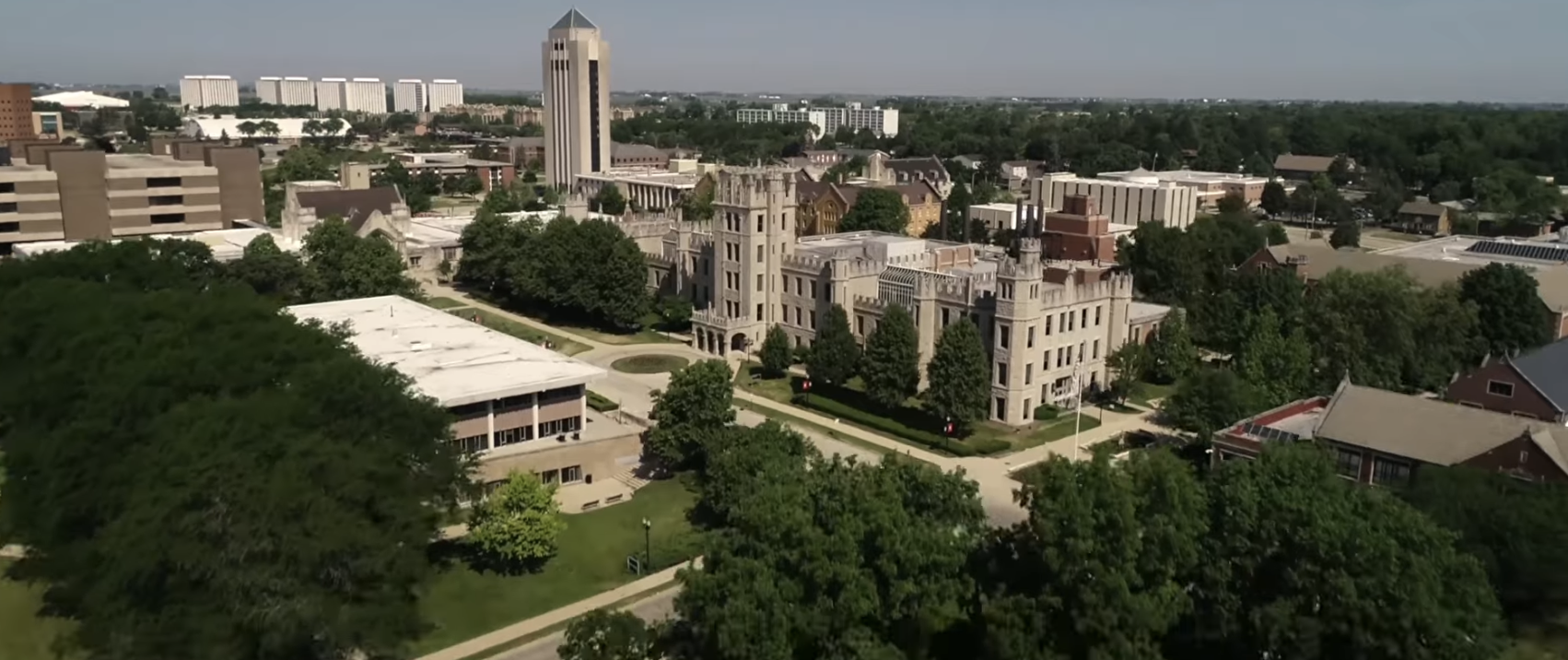
Marie: Any lessons learned from your work with Northern Illinois University (NIU) or other case studies?
Stephen: The main lesson is the importance of sharing case studies to demonstrate what’s possible and encourage others to take action. Many owners are unsure where to start, so real-world examples help build momentum and show that decarbonization goals are achievable. We love getting case studies out there because it shows what’s possible within the industry to meet both environmental and financial goals, while providing an educational opportunity.
Marie: What motivates you personally in this field?
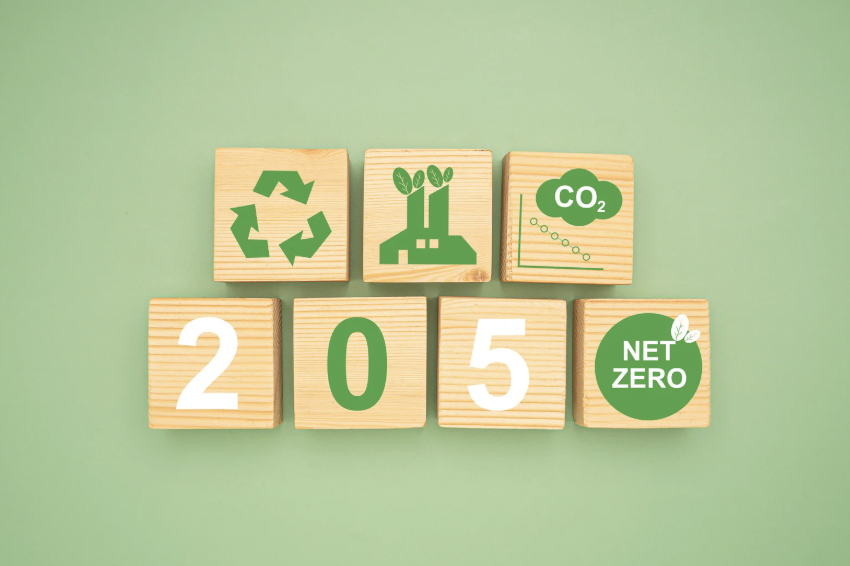
Stephen: The challenge of applying my experience to help others and make an impact drives me. Every building is unique, requiring a tailored approach. Educating others about available tools and possibilities accelerates progress toward decarbonization and net zero. Decisions made today will have long-term impacts, especially in sectors like education where equipment lifespans are decades. Actions we take now will make it less costly to meet net zero goals as 2050 approaches.
CASE STUDY
Conclusion
Stephen Scott’s insights highlight the importance of data, innovation, and collaboration in achieving net zero goals. By leveraging AI, engaging stakeholders, and fostering the next generation of talent, Trane Technologies is helping institutions navigate the complex path to a sustainable future. For more resources, case studies, and tools, readers are encouraged to consult Trane’s ESG reports and sustainability materials.

Sustainable Systems Commercialization Manager - Canada
Commercial HVAC | CVAC Commercial
Trane Canada ULC
Stephen’s BIO
Stephen Scott, P.Eng., LEED AP, Sustainable Systems Commercialization Leader – Canada
Stephen joined Trane in 1997 as an Account Manager in the Toronto, Ontario commercial sales office. He graduated from Trane’s 98-I Graduate Training Program in LaCrosse, Wisconsin, with the top mark in the class. Upon graduation, he sold HVAC equipment and Building Automation Systems to contractors, mechanical consulting engineers, and owners in the Greater Toronto Area for well over a decade.
Stephen was promoted to Sales Manager in 2014, where he led the transformation and growth of the Toronto office, including the hiring and mentoring of the next generation of account managers. In 2021, he was promoted to Equipment Solutions Manager for Eastern Canada, where he led a diverse team dispersed throughout various office geographies, navigating challenges related to supply chains and manufacturing equipment.
Most recently, in 2024, he was promoted to his current role, where he helps all customers and account managers reach their desired outcomes on their pathway to net zero. This includes the commercialization of Trane’s innovative new systems, equipment, controls, and digital connectivity building solutions. Additionally, he works with industry associations on multiple issues, such as refrigerant regulations.
In his spare time, Stephen and his wife, Sarah, enjoy traveling, being new empty nesters with their children off to university, and playing as much pickleball as possible.