

1. Transition to Heat Pump Technology: Commit to installing heat pumps to achieve the highest possible impact on climate goals, as they offer a massive 40–95% carbon offset. While they have a longer payback period of 10–25 years, they are the most effective measure for reducing a building's carbon footprint.
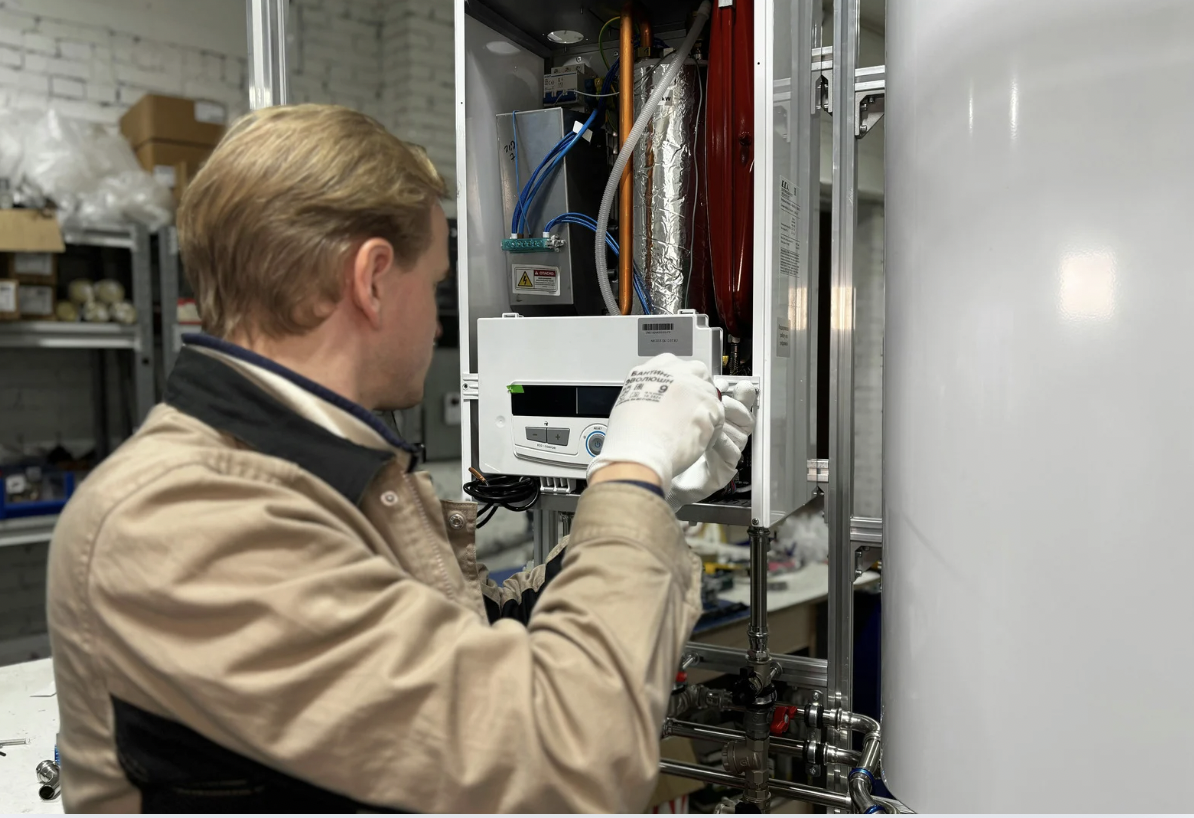
2. Integrate Heat Recovery Systems: Resolve to capture and reuse thermal energy. This measure provides a substantial 40–70% carbon offset. Public institutions should plan for this as a mid-to-long-term investment, with a simple payback period of 10–20 years.
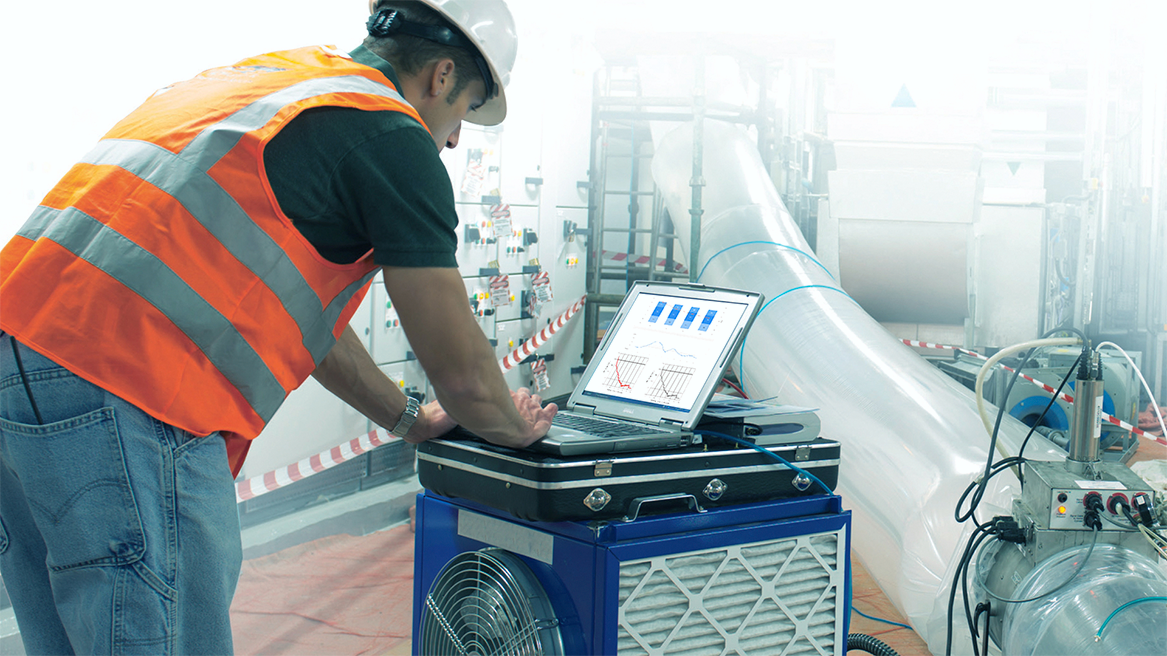
3. Execute Comprehensive Duct Sealing: Prioritize sealing ductwork to prevent energy waste. This is one of the most efficient resolutions, offering a 20–40% carbon offset with a relatively quick financial return of 3–7 years.

4. Focus on Controls Optimization: Resolve to fine-tune building automation systems. This is a "quick win" for the public sector, as it can be realized in just 2–8 years and results in a 15–40% carbon offset.
5. Commit to Building Envelope Upgrades: Invest in the "shell" of public buildings (such as insulation and windows). Although this requires a long-term commitment with a payback period of over 20 years, it yields a significant 15–30% carbon offset.
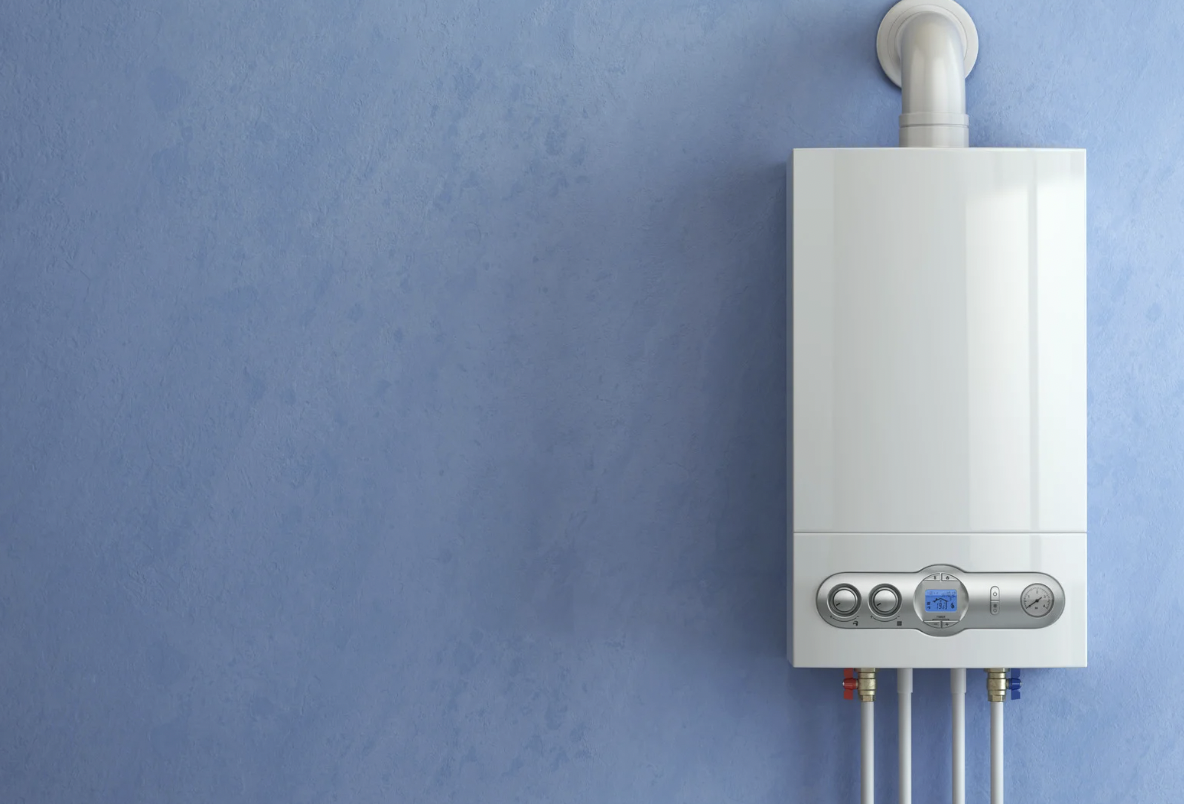
6. Modernize Boiler Systems: Replace aging heating infrastructure with high-efficiency boilers. This resolution can reduce carbon emissions by 10–20%, with the investment paying for itself within 10–20 years.
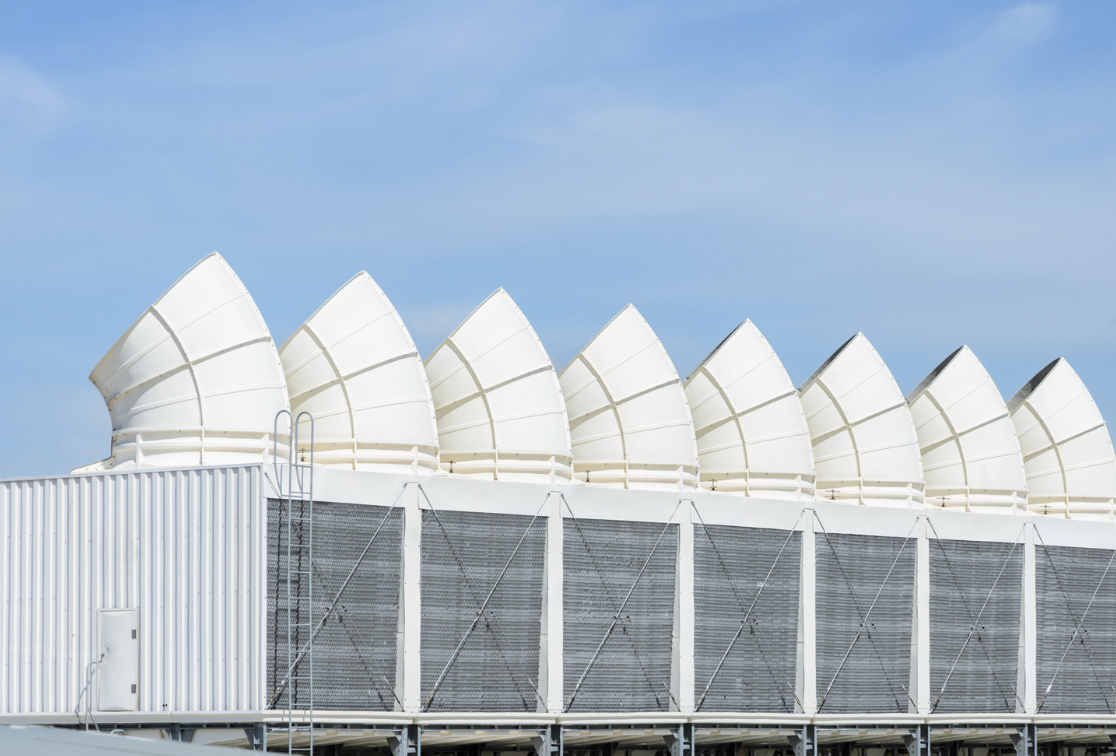
7. Upgrade Chiller Plants: Resolve to replace inefficient cooling systems. Chiller upgrades provide a 2–5% carbon offset and typically see a return on investment within 10–15 years.
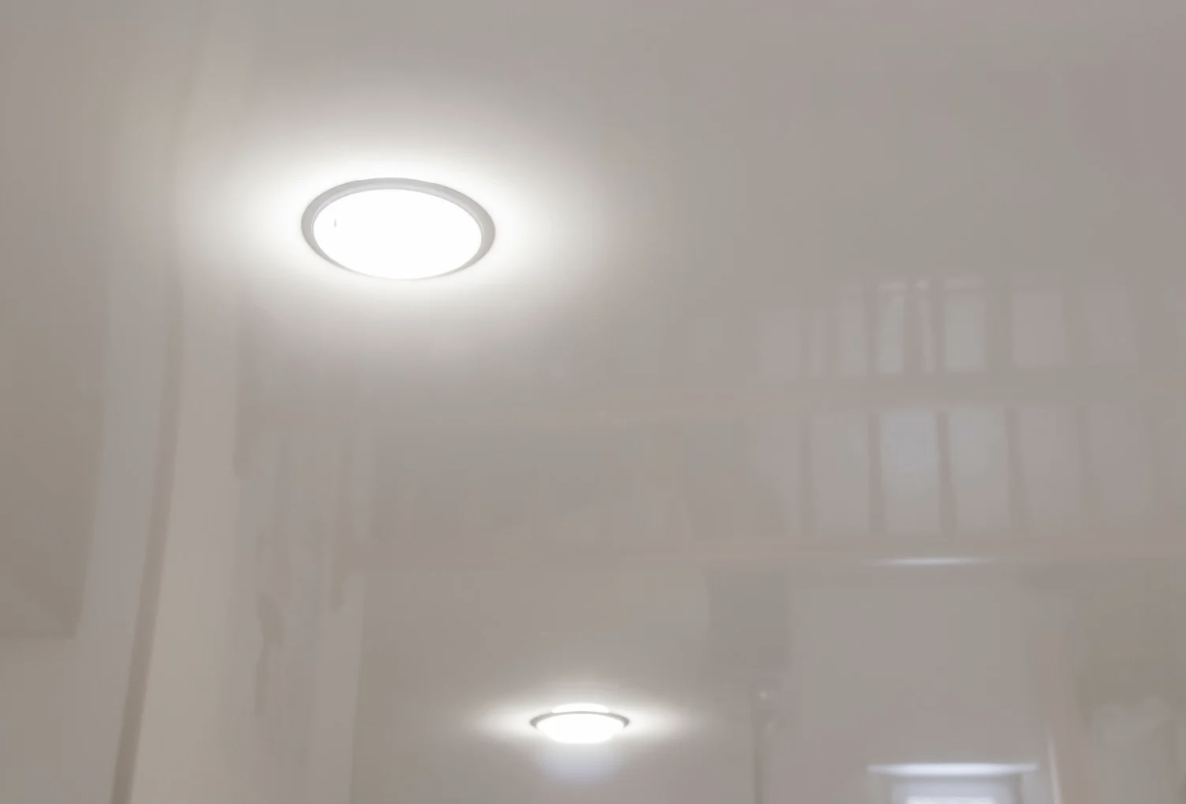
8. Complete LED Lighting Retrofits: Ensure all public facilities utilize modern lighting. While the carbon offset is modest at 2–3%, the payback period is quite short at 4–7 years, making it an easy budgetary win.
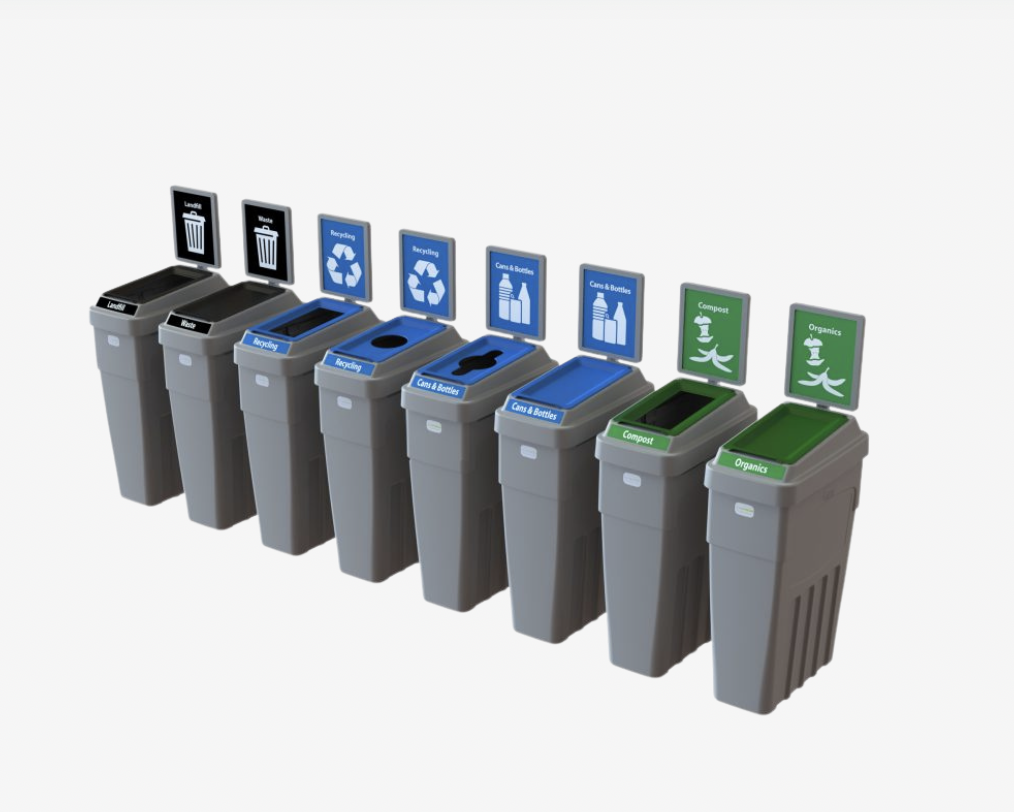
9. Implement Comprehensive Waste Diversion: The public sector can resolve to eliminate single-use plastics in government offices and implement standardized composting and recycling programs to reduce landfill contributions.

10. Adopt Green Fleet and Commuting Policies: Transitioning municipal or departmental vehicles to electric models and incentivizing public transit use for employees can significantly reduce "Scope 3" emissions that are often overlooked in building-specific data.
Analogy for Understanding Infrastructure Upgrades: Improving a building's efficiency is much like tuning up an old car. You could just keep putting more fuel in the tank to keep it running (high energy use), but by sealing the leaks (duct sealing), optimizing the engine timing (controls optimization), and eventually replacing the engine with a modern electric version (heat pumps), you ensure the vehicle goes much further while burning significantly less—or no—fuel.
Written by Marie Cresswell, President, Thomas Cole Inc.