
How McMaster University is connecting students, research and building operations to accelerate its climate ambitions.

Dave Cano, Director of Sustainability, McMaster University
Net Zero Times | Interview with Dave Cano, Director of Sustainability, McMaster University
What if the buildings, energy systems and infrastructure on a university campus could become some of its most valuable teaching tools?
At McMaster University in Hamilton, Ontario, that question is helping reshape the institution's approach to sustainability. Across more than 67 buildings situated on approximately 320 acres, students, researchers and facilities professionals are finding opportunities to turn everyday operational challenges into real-world learning, innovation and measurable environmental improvements. For Dave Cano, Director of Sustainability at McMaster University, the ambition extends beyond reducing emissions to making the campus itself part of the solution.
McMaster's approach connects its Net Zero Carbon Roadmap with the university's core mission of teaching, learning and research. From exploring ways to decarbonize its central energy plant to developing digital models of campus buildings and expanding access to energy-performance data, the university is creating opportunities for students and researchers to participate in solving real operational challenges. In doing so, infrastructure investments can deliver benefits beyond improved building performance, creating opportunities for applied research, hands-on education and collaboration across the university community.
As public-sector institutions face growing pressure to reduce greenhouse gas emissions while managing aging infrastructure and constrained budgets, McMaster's experience offers a compelling perspective. The journey to net zero is not simply about upgrading buildings or introducing new technologies. It is also an opportunity to transform how institutions learn, innovate and lead.
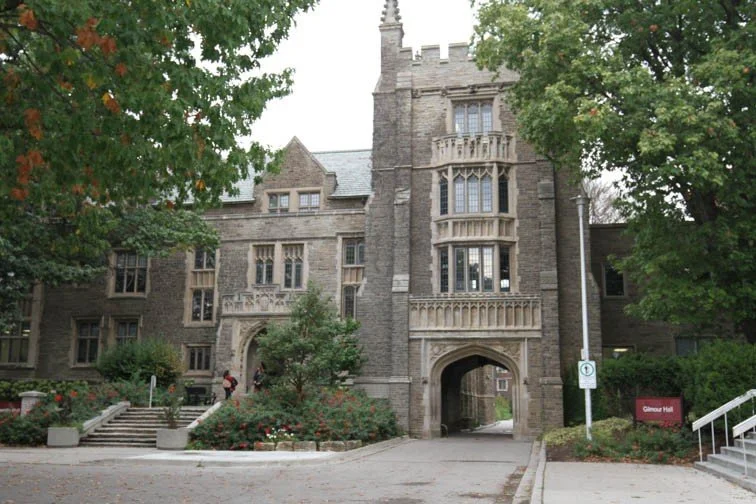
McMaster University
A Campus That Teaches Through Its Own Operations
One of McMaster's key sustainability strategies is to use its existing campus infrastructure as a platform for experiential learning and applied research. With a diverse mix of academic buildings, research laboratories, residences, food services and energy infrastructure, the university offers students opportunities to examine the same environmental and operational challenges that facilities professionals manage every day.
Cano sees tremendous potential in connecting this complex operating environment with the knowledge and expertise already present within the university. Students from engineering, business, science, social sciences and other disciplines can bring different perspectives to challenges involving energy consumption, waste management, climate resilience and resource efficiency. By working alongside faculty and operational teams, they have opportunities to develop solutions that can be evaluated and, where appropriate, implemented on campus.
Several initiatives demonstrate how this approach is already producing results. McMaster's Composting Champions program, which addresses food waste, and AccessTech, which focuses on electronics reuse and waste diversion, emerged from collaborations involving students, academic departments and university operational teams. Both have developed into ongoing programs that contribute to reducing the amount of waste sent to landfill.
These initiatives illustrate the broader value of the living laboratory concept. Students gain experience working on real environmental challenges, while the university benefits from new ideas and practical solutions. Rather than viewing sustainability solely as an administrative responsibility, McMaster is creating opportunities for its academic community to participate directly in improving campus performance.

Connecting Research With the Net Zero Carbon Roadmap
McMaster continues to pursue a 75% emissions-reduction target by 2030, alongside its longer-term objective of achieving a net-zero carbon campus by 2050. Meeting these goals will require significant changes to the university's energy infrastructure, supported by careful planning, technological innovation and collaboration across multiple disciplines.
The university operates a central energy plant that produces steam, hot water and chilled water for campus buildings. Its infrastructure includes natural gas-fired boilers and a cogeneration system that generates electricity while recovering useful heat. As part of its decarbonization efforts, McMaster is introducing two large electrode boilers intended to replace a portion of its existing natural gas boiler capacity.
While electrification is an important component of the transition, Cano emphasizes that the university must consider the broader environmental implications of its energy decisions. Electricity supplied by Ontario's grid has its own associated emissions, which can vary depending on generation conditions. Simply transferring energy demand from natural gas to electricity does not necessarily produce the best outcome under every operating scenario.
McMaster is therefore exploring technologies that can help determine when different energy systems should operate to minimize emissions while maintaining reliability and managing costs. Carbon-intensity signals, energy demand information and other operating data could help the university make more informed decisions about how to use its existing infrastructure.
This work also creates opportunities for applied research. Students have participated in projects examining central plant decarbonization and the development of digital twin technologies that could help model campus energy systems. By exploring different operating scenarios, researchers and students can contribute to understanding how changes in equipment operation and energy demand may affect emissions, efficiency and financial performance.
For Cano, the connection between research and operations is central to McMaster's living laboratory vision. The university's infrastructure provides a real-world environment in which emerging ideas can be explored, while its academic community contributes knowledge that may help inform future operational decisions.

Making Building Performance Data Accessible
Reliable information is essential to both effective facilities management and meaningful sustainability research. McMaster has been expanding its ability to monitor energy and resource consumption across individual buildings, creating a stronger foundation for evaluating performance and identifying opportunities for improvement.
As Cano explains, "We can't manage what we don't measure."
The university has installed submeters to track electricity, steam, condensate and domestic water consumption. This information supports the development of building-level energy baselines, performance targets, monitoring systems and reports that help facilities teams better understand how resources are being used throughout the campus.
The benefits extend beyond operational efficiency. By making building-performance information more accessible, McMaster aims to create a valuable resource for teaching and research. Students could use actual consumption data to examine building efficiency, develop case studies, test assumptions and simulate the potential effects of different operating strategies. Researchers could also use the information to explore new approaches to energy management and decarbonization.
McMaster is exploring opportunities to enhance sustainability reporting through more comprehensive performance indicators and improved access to sustainability information for the campus community. Cano envisions a system through which students, faculty, staff and other members of the community can better understand the university's environmental performance and follow its progress over time.
This emphasis on transparency reflects an important shift in sustainability management. Rather than reporting only on commitments and completed projects, institutions can use performance data to demonstrate measurable outcomes, identify areas requiring attention and support continuous improvement.
For public-sector organizations, the approach offers a practical lesson: investments in monitoring and data management can create value beyond facilities operations when the information is also used to support learning, research and organizational accountability.
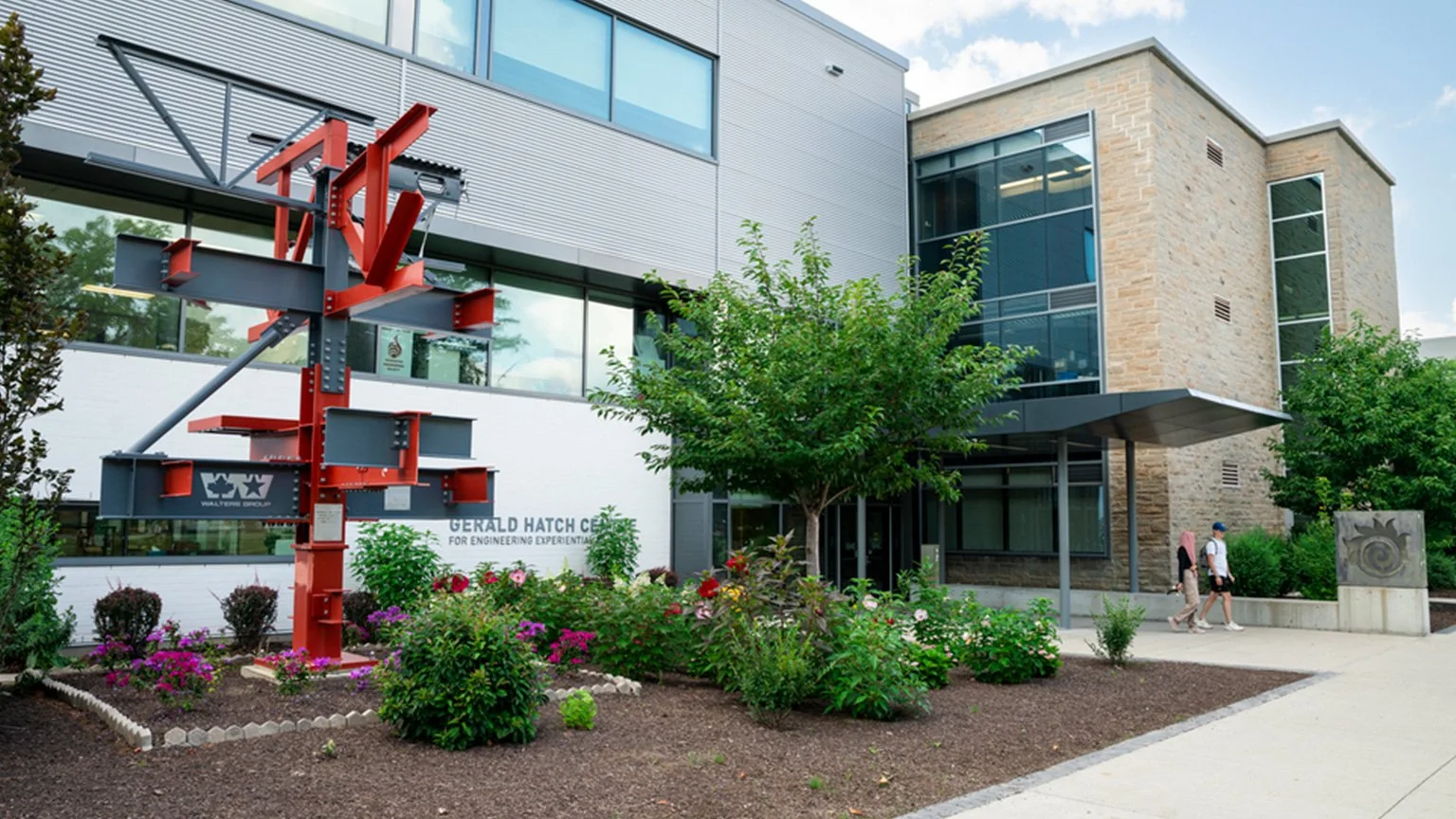
The Gerald Hatch Centre
From Classroom Theory to Hands-On Experience
McMaster is also exploring ways to give students more direct exposure to the technologies being used to reduce emissions and improve building performance. While a comprehensive program providing hands-on access to operational systems is still being developed, several existing facilities demonstrate how infrastructure can support both academic learning and sustainability objectives.
The Gerald Hatch Centre is one example. The building incorporates technologies including geothermal energy, thermal storage and solar photovoltaic systems, providing opportunities for students to study how different energy technologies function and interact. These systems help connect classroom theory with practical applications and allow students to examine approaches to lower-carbon building operations.
Cano sees potential to expand these opportunities as McMaster advances its Net Zero Carbon Roadmap. Future infrastructure projects, potentially including the new electric boilers, could provide students with additional opportunities to examine energy technologies, evaluate operational scenarios and better understand the technical and financial considerations involved in decarbonization.
The educational value of this approach extends beyond engineering. Energy transitions involve financial planning, environmental analysis, policy, organizational behaviour and communication, creating opportunities for collaboration among students from different academic backgrounds.
By connecting academic programs with actual campus projects, McMaster can help students develop a more comprehensive understanding of sustainability challenges. They gain exposure not only to the technologies themselves but also to the practical decisions required to implement and operate them successfully.
Preparing Buildings for a Changing Climate
While reducing greenhouse gas emissions remains a central priority, McMaster is also examining how its buildings can become more resilient to the effects of climate change. This work reflects the growing importance of preparing existing infrastructure for changing weather conditions and potential disruptions to essential services.
Cano described a student project focused on developing a climate resilience plan for one of the university's buildings. The project examines potential weather-related risks and considers how the facility could better prepare for future emergencies, providing students with an opportunity to apply their knowledge to a real operational challenge.
The initiative illustrates how the living laboratory approach can support both climate mitigation and adaptation. Students gain practical experience assessing infrastructure risks, while the university benefits from additional perspectives on how to protect its facilities and maintain operational continuity.
For hospitals, municipalities, school boards and other public-sector organizations, this connection is increasingly relevant. Buildings must not only become more energy efficient and less carbon intensive; they must also remain safe, reliable and functional under changing environmental conditions.
Sustainability as a University-Wide Responsibility
Although McMaster's Office of Sustainability operates within Facility Services, Cano emphasizes that achieving the university's environmental objectives requires participation from across the institution. Sustainability influences nearly every aspect of campus life, including teaching, research, transportation, procurement, natural lands, food services and building operations.
As McMaster completes its 2021–2026 sustainability strategy and develops its successor, the university is working to ensure that the planning process reflects the perspectives of its broader community. Through the McMaster Sustainability Advisory Council, representatives from academic faculties, support departments and undergraduate and graduate student groups have participated in workshops to help identify priorities and shape future objectives.
For Cano, this collaborative process is essential to building lasting support for sustainability initiatives. "It cannot be a plan that was developed behind closed doors and just sent out to the community," he explains. People are more likely to participate in implementing a strategy when they have contributed to its development and can see their priorities reflected in its objectives.
The next sustainability strategy is being developed with consideration for a more comprehensive approach to measuring and reporting sustainability performance across the institution, with indicators addressing governance, campus culture, teaching, research, natural lands, transportation and operations. McMaster also intends to strengthen its reporting so that the university community can better understand what is being achieved and where additional progress is needed.
Students play an important role in this process by bringing new perspectives, challenging assumptions and encouraging accountability. Cano values their engagement, recognizing that their priorities and experiences can differ from those of facilities professionals, researchers and senior administrators.
Ultimately, McMaster's approach reflects the understanding that sustainability cannot be delivered by one department. It must become part of the institution's culture, supported by leadership and reinforced through everyday decisions across the campus.
The Business Case for a Living Laboratory
For public-sector leaders, McMaster's approach offers an interesting model for connecting sustainability investment with broader institutional value. Universities, colleges, hospitals, municipalities and school boards face similar challenges involving aging infrastructure, limited capital budgets, rising operating costs and increasing expectations for environmental performance.
Traditionally, infrastructure improvements, operational efficiency initiatives and educational activities may be planned and funded separately. A living laboratory approach creates opportunities to connect these priorities, allowing investments in buildings and energy systems to support multiple objectives.
For example, improved energy monitoring can help facilities teams identify inefficiencies while providing students and researchers with information for applied projects. Building upgrades can contribute to emissions reductions while creating opportunities to demonstrate emerging technologies. Climate resilience planning can support infrastructure protection while giving students experience addressing real environmental risks.
These combined benefits are particularly important when institutions must demonstrate responsible use of public resources. Cano emphasizes that sustainability decisions must consider financial performance alongside environmental outcomes.
"We have to showcase fiscal responsibility and we cannot just do things for the sake of doing things," he says.
For McMaster, this means evaluating how investments contribute to emissions reductions, operational reliability and the effective use of resources. The living laboratory approach adds another dimension by creating opportunities for education, research and innovation that might not otherwise emerge from conventional infrastructure projects.
While not every sustainability initiative will produce immediate financial savings, connecting operational improvements with academic and institutional priorities can strengthen the overall value of investment. For other public-sector organizations, the lesson is to look beyond individual projects and consider how infrastructure improvements can contribute to multiple organizational objectives.
Partnerships That Extend Beyond Campus
McMaster recognizes that many sustainability challenges extend beyond university property lines. Transportation, procurement, natural lands and regional environmental priorities require collaboration with organizations throughout the Hamilton community.
Cano identified the City of Hamilton, Mohawk College, the Royal Botanical Gardens and local environmental networks as important existing or potential partners. These relationships offer opportunities to share knowledge, explore common challenges and connect campus sustainability initiatives with broader community objectives.
The university is currently concentrating much of its emissions-reduction work on Scope 1 and Scope 2 emissions, where it has greater influence over operational decisions. As its Net Zero Carbon Roadmap progresses, McMaster expects to consider opportunities to engage suppliers, contractors and other partners in addressing indirect emissions associated with its activities.
This phased approach reflects the practical challenges of managing sustainability across a complex institution. By first strengthening its understanding of the emissions sources it can directly influence, McMaster aims to establish a foundation for broader collaboration and future initiatives.
For students and researchers, these external relationships may also create opportunities to apply their knowledge beyond campus boundaries, reinforcing the university's role as both a learning institution and a contributor to regional sustainability efforts.
Building a Culture of Commitment
For Cano, the success of McMaster's sustainability initiatives ultimately depends on people. Although engineering, technology and data are essential, lasting progress requires an institutional culture in which individuals are motivated to identify opportunities and contribute to change.
An engineer by training, Cano developed an interest in environmental protection while growing up in Mexico. His early involvement in activities such as environmental cleanups, tree planting and wildlife protection helped shape his understanding of sustainability. He later moved to Canada with his partner to pursue further education in environmental studies and sustainability, building a career around the integration of technical knowledge, environmental responsibility and organizational change.
Throughout that career, one of the most challenging and rewarding aspects of his work has been encouraging people to become active participants in sustainability. He believes that long-term success depends on making environmental responsibility part of everyday decision-making rather than treating it as a separate institutional obligation.
When asked what he considers the most important ingredient for achieving sustainability objectives, Cano's response was immediate: "The first word that comes to mind is commitment."
He credits McMaster's senior leadership, facilities professionals, researchers, faculty, staff and students for helping advance the university's environmental initiatives. He also emphasizes that sustainability achievements are the result of collective effort rather than the work of any one individual.
"I don't want to take credit for work I don't do," he says, acknowledging the many people across the university who contribute their knowledge, creativity and time to improving campus sustainability.
That sense of shared ownership is fundamental to McMaster's living laboratory vision. When individuals across an institution recognize that they can contribute to environmental progress, sustainability becomes more than a strategic objective. It becomes part of how the organization operates.
A Model for the Next Generation of Net-Zero Campuses
McMaster's experience demonstrates how a university campus can become more than a collection of buildings requiring energy upgrades. It can serve as an active environment for research, innovation, education and measurable environmental improvement, where the challenges of operating a complex institution become opportunities for learning and collaboration.
By connecting its Net Zero Carbon Roadmap with building operations, energy-performance data, student projects and community engagement, McMaster is developing an approach that brings sustainability into the daily life of the university. Its efforts illustrate how infrastructure investments can support environmental objectives while also contributing to teaching, research and institutional knowledge.
The approach is particularly relevant as public-sector institutions across Canada confront the financial and technical challenges of decarbonization. New technologies, infrastructure modernization and lower-carbon energy systems will remain essential, but McMaster's experience highlights another valuable resource: the expertise, creativity and commitment already present within an organization's community.
For Cano, the path forward depends on bringing these resources together. When students, researchers and facilities professionals collaborate, the campus becomes a place where ideas can be explored, results measured and practical improvements developed. At the same time, the institution creates opportunities for the next generation of professionals to gain experience addressing the environmental challenges they will encounter throughout their careers.
The journey to net zero is not only about transforming university buildings. It is also about transforming how universities use those buildings to learn, innovate and lead.
At McMaster, the campus itself is becoming part of that journey—and part of the solution.
This article is based on an interview conducted November 13, 2026, with Dave Cano, Director of Sustainability at McMaster University. Prepared by Marie Cresswell, Publisher for Net Zero Times.