
The Hidden Cost of Canada’s Beautiful Warm Days

Across Canada, unusually warm and pleasant days can feel like a welcome break from winter. But these conditions often come with an environmental cost. El Niño—a natural climate pattern caused by warmer-than-usual waters in the tropical Pacific—can influence Canadian weather, especially during winter and spring. It is often associated with warmer temperatures and drier conditions across much of the country. ([canada.ca](https://www.canada.ca/en/environment-climate-change/services/weather-general-tools-resources/el-nino.html?utm_source=openai))
The warmth may mean less snow, shorter periods of extreme cold, and easier travel. However, reduced snowfall can weaken spring water supplies, affect agriculture, and disrupt ecosystems that depend on predictable winter conditions. Drier weather can also increase the risk of wildfires, stress forests, and worsen drought conditions.
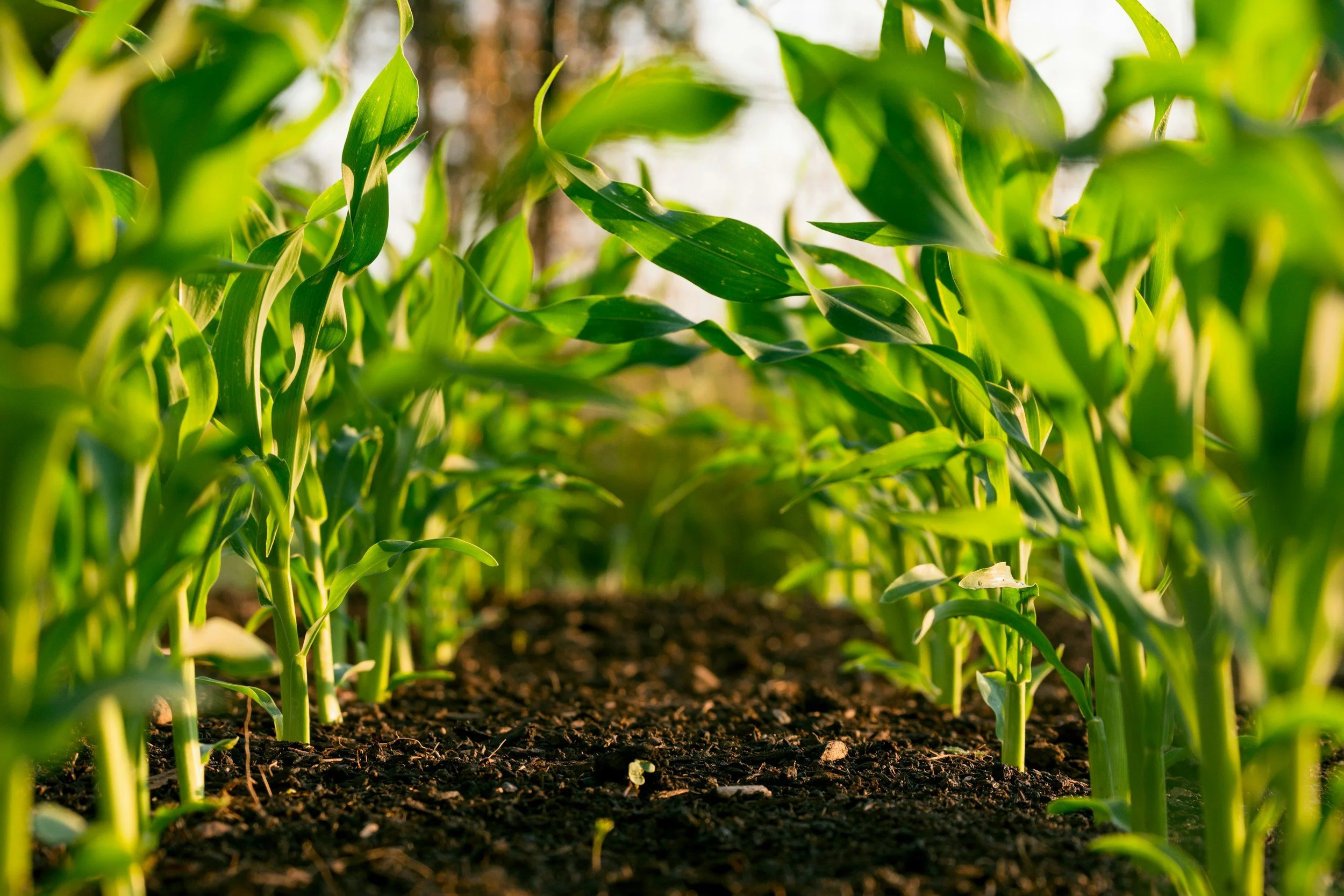
Wildlife and plant life are affected as well. Earlier thaws can cause plants to bloom before pollinators are active, while insects and invasive species may survive the winter in greater numbers. Less snow also removes an important layer of insulation for soil, crops, and animals.
El Niño is a natural event, but its effects are unfolding within a rapidly warming climate. Canada is warming at roughly twice the global average, making each additional warm spell more consequential. ([canada.ca](https://www.canada.ca/en/environment-climate-change/services/science-technology/changing-climate-report-2026/cccr-chapter-4-en.html?utm_source=openai))

Beautiful weather is not something we should take for granted—but neither should we ignore its hidden price. The challenge is to enjoy warmer days while recognizing the responsibility to protect water, forests, wildlife, and the climate systems that sustain them.