
With forest fires in Northern Ontario becoming a concern for Ontarioans and our neighbours south of the border we put together some educational facts and insights why we need controlled fires.
It's true that certain tree species in northern Ontario, and other regions with similar ecosystems, actually rely on fire for regeneration. This phenomenon is known as "fire ecology," and it plays a crucial role in maintaining the health of specific forest ecosystems. Here’s how it works:
Fire-Dependent Tree Species
1. Jack Pine: This species has cones that remain closed until exposed to the intense heat of a fire. The heat causes the cones to open, releasing seeds that can germinate in the nutrient-rich, ash-covered soil.
2. Black Spruce: Similar to Jack Pine, Black Spruce can also benefit from the clearing effects of fire, which reduces competition and allows for better sunlight access for the new seedlings.
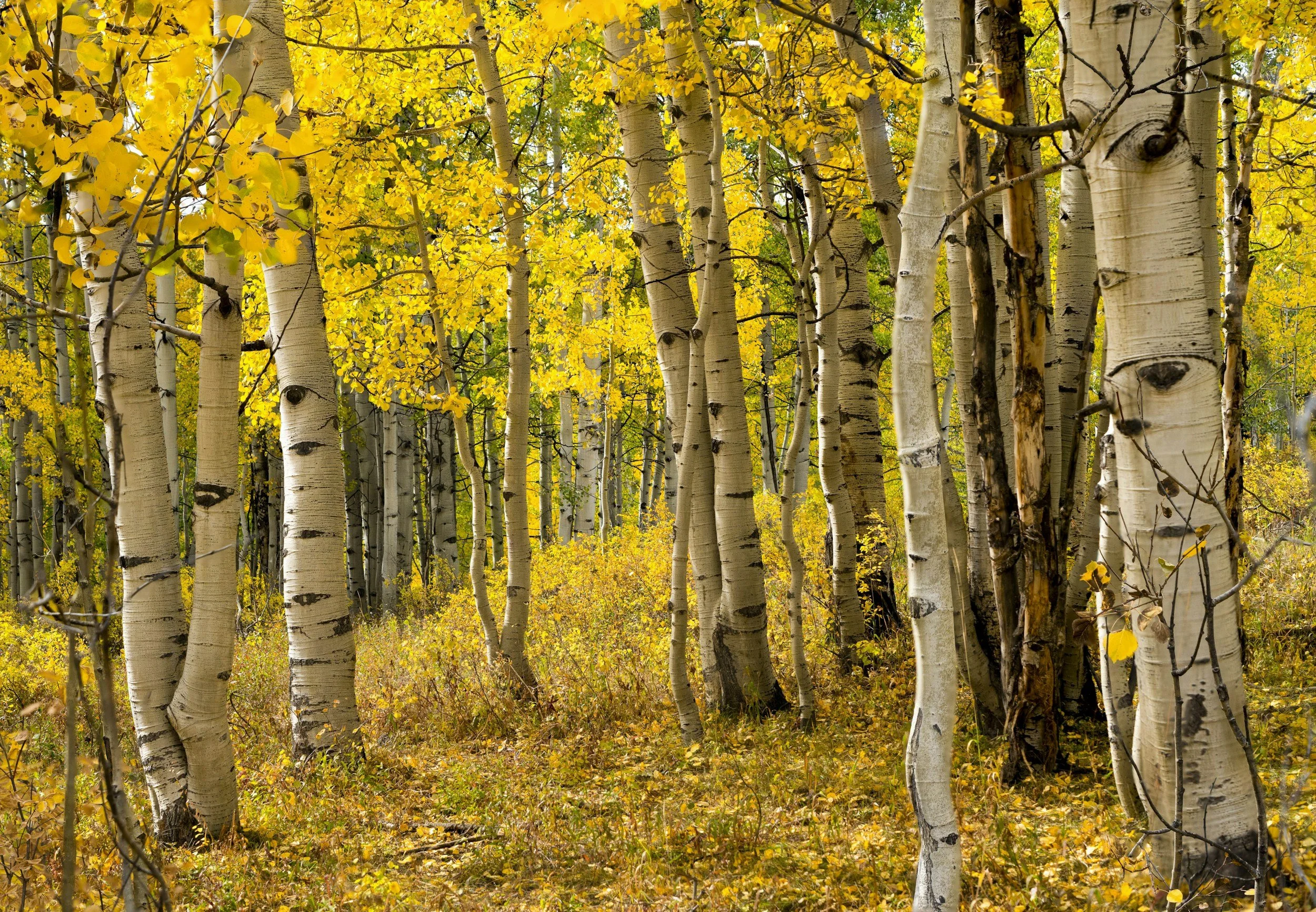
3. Aspen: While not strictly dependent on fire, Aspen trees thrive in post-fire environments. They can regenerate through root suckering, and fires create conditions that favor their growth by eliminating competing vegetation.

Benefits of Fire in Forest Ecosystems
Nutrient Cycling: Fire helps release nutrients locked in biomass back into the soil, promoting healthier growth for new plants.
Habitat Creation: Fires create diverse habitats that support various wildlife species.
Pest Control: Fire can reduce pest populations and diseases that might otherwise threaten the forest.
The Role of Fire in Forest Management
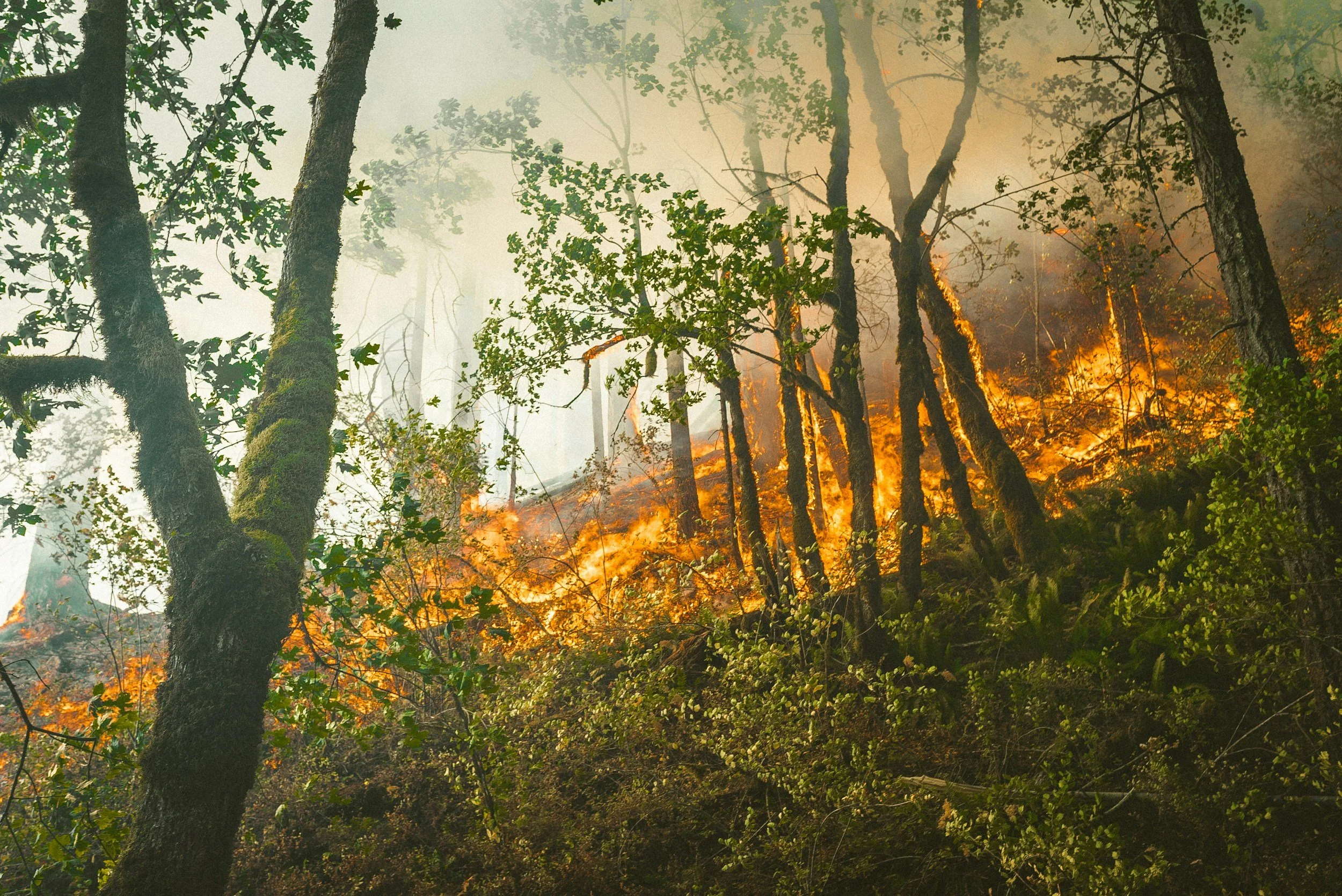
Many forest management practices in northern Ontario and similar regions include controlled burns or allow natural fires to occur under certain conditions. This approach helps maintain the ecological balance and supports the regeneration of fire-adapted species.
While it might sound counterintuitive, fire is a natural and necessary part of the life cycle of certain trees and the ecosystems they inhabit. Understanding this relationship is vital for effective forest management and conservation.
Fire ecology is a fascinating field that highlights the intricate relationships between fire, vegetation, and wildlife. Here’s a deeper look at how fire influences ecosystems, particularly in northern Ontario.
The Role of Fire in Ecosystems
1. Natural Fire Regimes:
Frequency and Intensity: Different ecosystems have varying fire regimes, characterized by how often and how intensely fires occur. In northern Ontario, fires can happen every 10 to 100 years, depending on the area.
Fire Types: Fires can be surface fires (burning the forest floor), crown fires (burning through the treetops), or ground fires (burning underground in peat layers).
2. Species Adaptations:
Seed Adaptations: Fire-adapted species have developed unique traits that allow them to thrive post-fire. For instance, some trees have serotinous cones that open only in response to heat, as mentioned with Jack Pine.
Resprouting: Many plants can sprout from their roots or stems after a fire, quickly reclaiming the area. This is common among species like Aspen.
3. Biodiversity Enhancement:
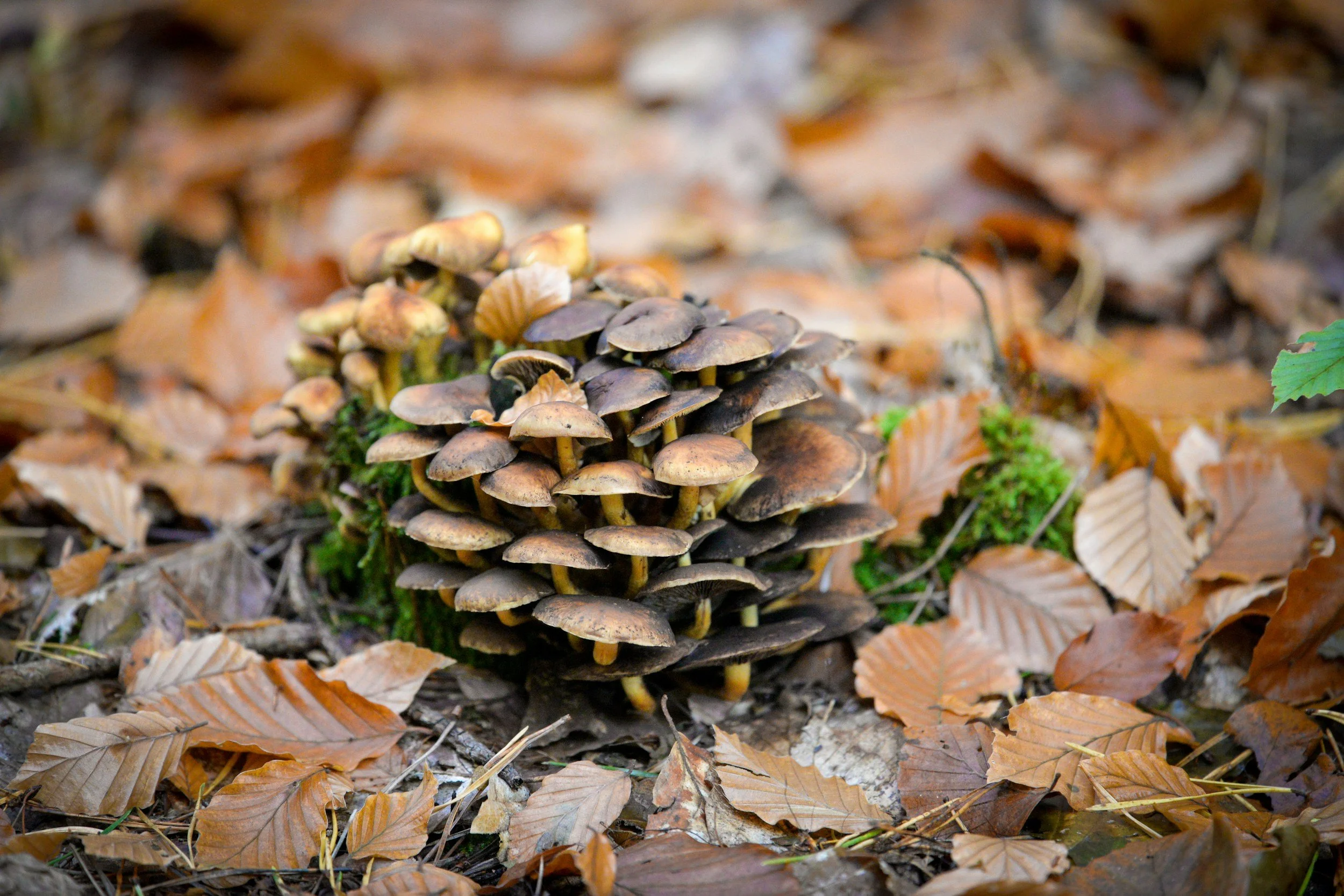
Habitat Diversity: Fires create a mosaic of habitats, including open areas, young forests, and mature stands, supporting various wildlife species. This diversity is crucial for maintaining healthy ecosystems.
Nutrient-Rich Soil: The ash left behind after a fire enriches the soil, making it more fertile for new growth.
Human Influence on Fire Ecology
1. Fire Suppression Policies:
Historically, many forest management practices aimed to suppress all wildfires, which disrupted natural fire cycles. This has led to an accumulation of fuel (dead trees, underbrush) that can result in more intense fires when they do occur.
2. Controlled Burns:
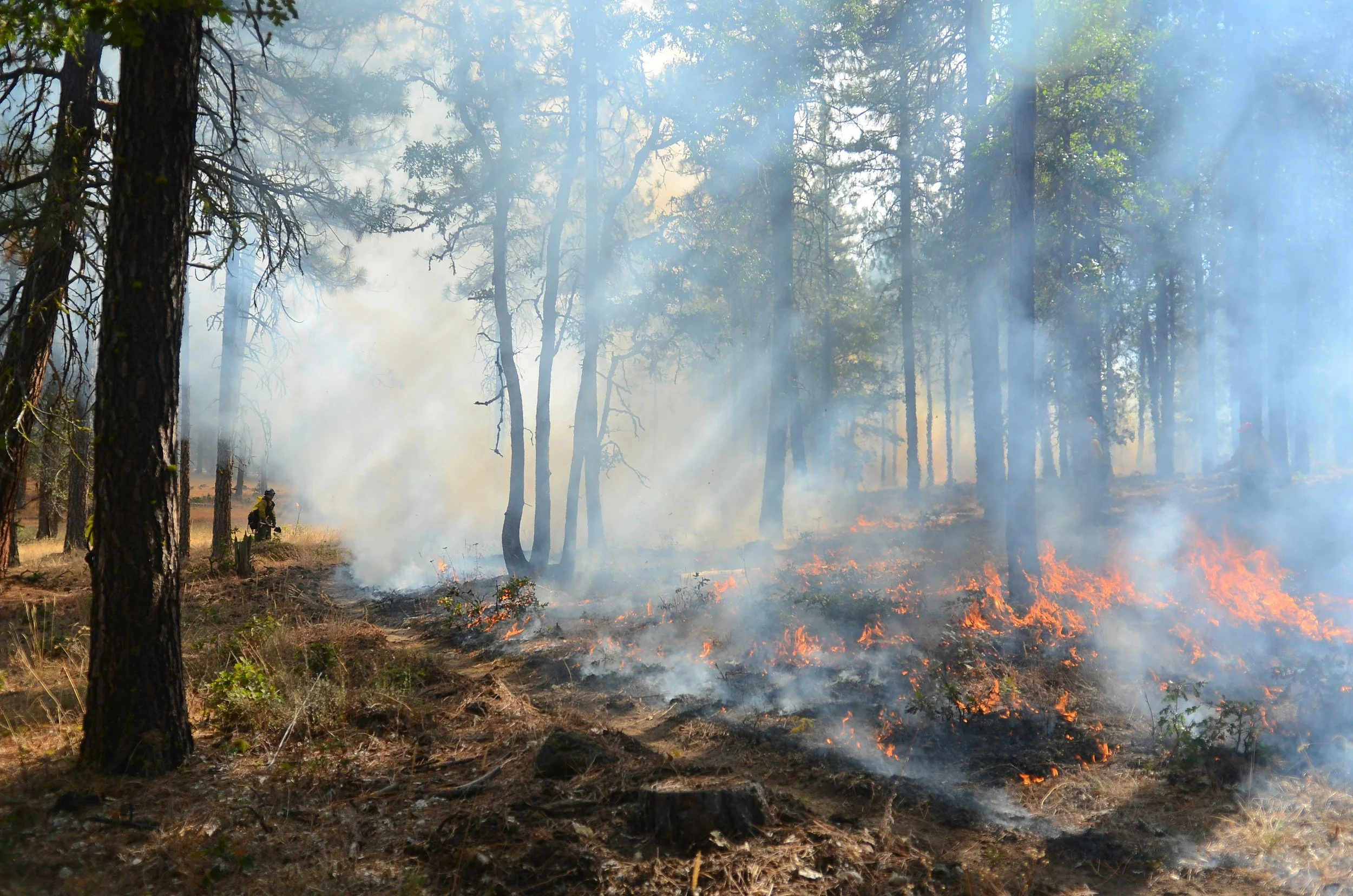
In recent years, land management agencies have recognized the importance of fire ecology and have implemented controlled burns to mimic natural fire regimes. These burns help manage fuel loads, promote biodiversity, and support fire-adapted species.
3. Climate Change Impacts:
Climate change is altering fire patterns, potentially leading to more frequent and severe fires. This can disrupt ecosystems that depend on specific fire frequencies, threatening biodiversity and forest health.

The Importance of Education and Awareness
Understanding fire ecology is essential for effective land management and conservation. Here are some key takeaways:
Promoting Resilience: Educating communities about the benefits of fire can foster resilience in ecosystems, helping them adapt to changing climates.
Supporting Sustainable Practices: Awareness can lead to better forest management practices that consider the ecological role of fire rather than viewing it solely as a destructive force.
Fire is an integral part of many forest ecosystems, especially in northern Ontario. By recognizing and respecting the role of fire in nature, we can better manage our forests and ensure the health of these vital ecosystems for generations to come.
Written by Marie Cresswell with research provided by Chat GPT.
Fire Ecology Journal, WCS Canada.