
As global food security becomes increasingly precarious, various environmental factors contribute to the complexities surrounding it. One significant threat that has emerged in recent years is the Great Pacific Garbage Patch (GPGP), a massive area of marine debris located between Hawaii and California. This accumulation of plastic waste, now estimated to be three times the size of France, poses a dire risk not only to marine life but also to the seafood that forms an essential part of our diets.
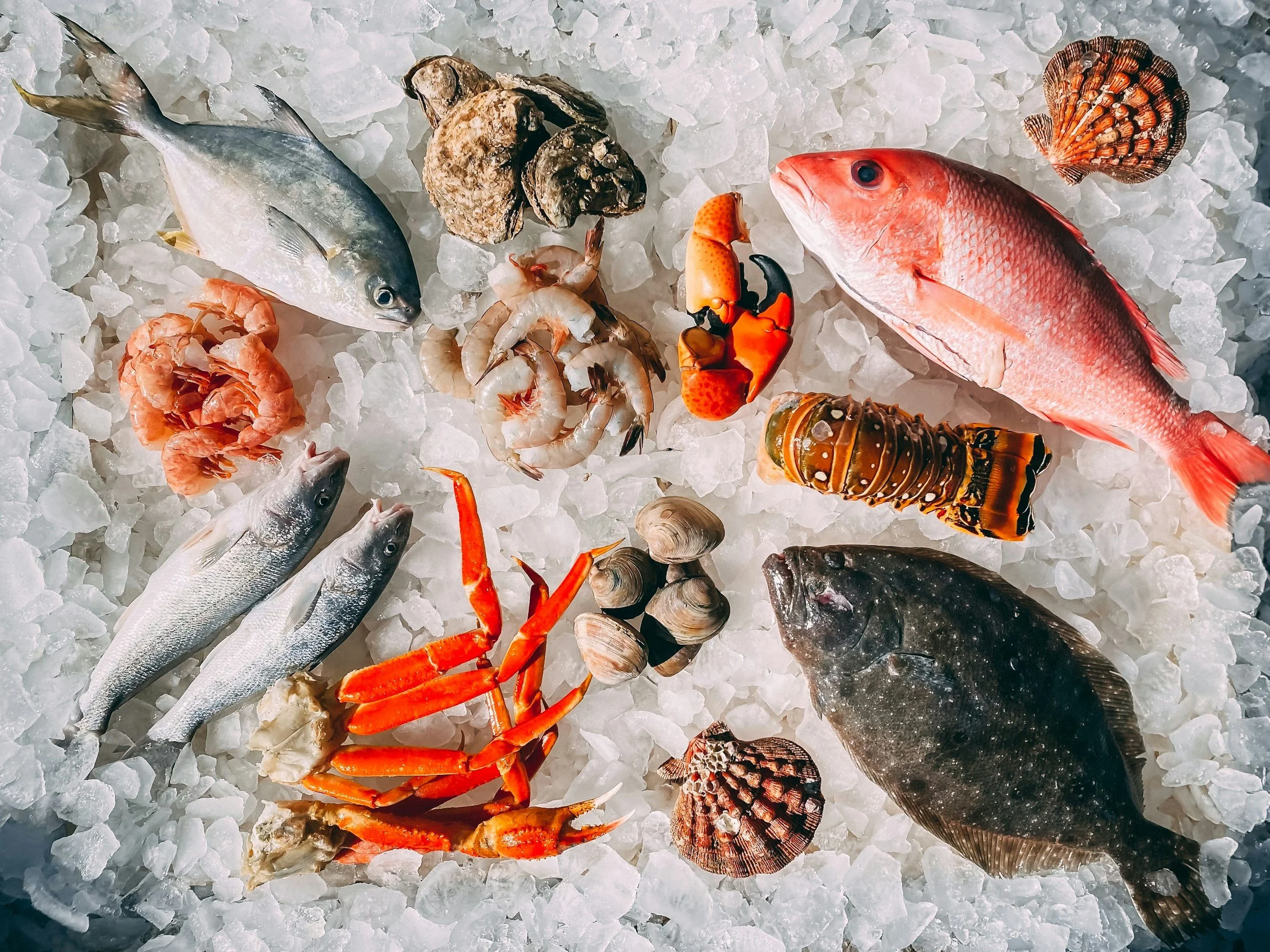
The Great Pacific Garbage Patch and Its Impact on Seafood
The GPGP is a stark reminder of the consequences of consumerism and poor waste management. This floating mass of plastic debris comprises microplastics, which are often ingested by marine organisms, including fish and shellfish. Here are some of the ways the GPGP impacts food security:
Contamination of Seafood: As fish consume microplastics, toxins from these plastics can accumulate in their bodies. This bioaccumulation poses a risk to human health when we consume contaminated seafood, potentially leading to long-term health implications.
Depletion of Marine Biodiversity: The GPGP disrupts marine ecosystems, leading to a decline in fish populations. Overfishing, combined with habitat destruction caused by plastic pollution, threatens the availability of seafood.
Economic Costs: Fishing communities reliant on healthy fish stocks may face economic instability as fish populations dwindle. This not only affects fishermen but also consumers who may face higher prices for seafood.

Broader Impacts on Food Security in Canada
Beyond the direct implications of the GPGP, other environmental challenges threaten food security in Canada:
Climate Change: Rising temperatures, changing rainfall patterns, and extreme weather events disrupt agricultural production. Crops like wheat and canola are particularly vulnerable, leading to reduced yields and higher food prices.
Soil Degradation: Unsustainable agricultural practices contribute to soil degradation, diminishing the land's ability to produce food sustainably. This threatens the long-term viability of food production systems.
Supply Chain Vulnerabilities: Global supply chains have been tested by the COVID-19 pandemic, exposing weaknesses in food distribution networks. Disruptions in these networks can lead to food shortages and increased prices, impacting food security for many Canadians.
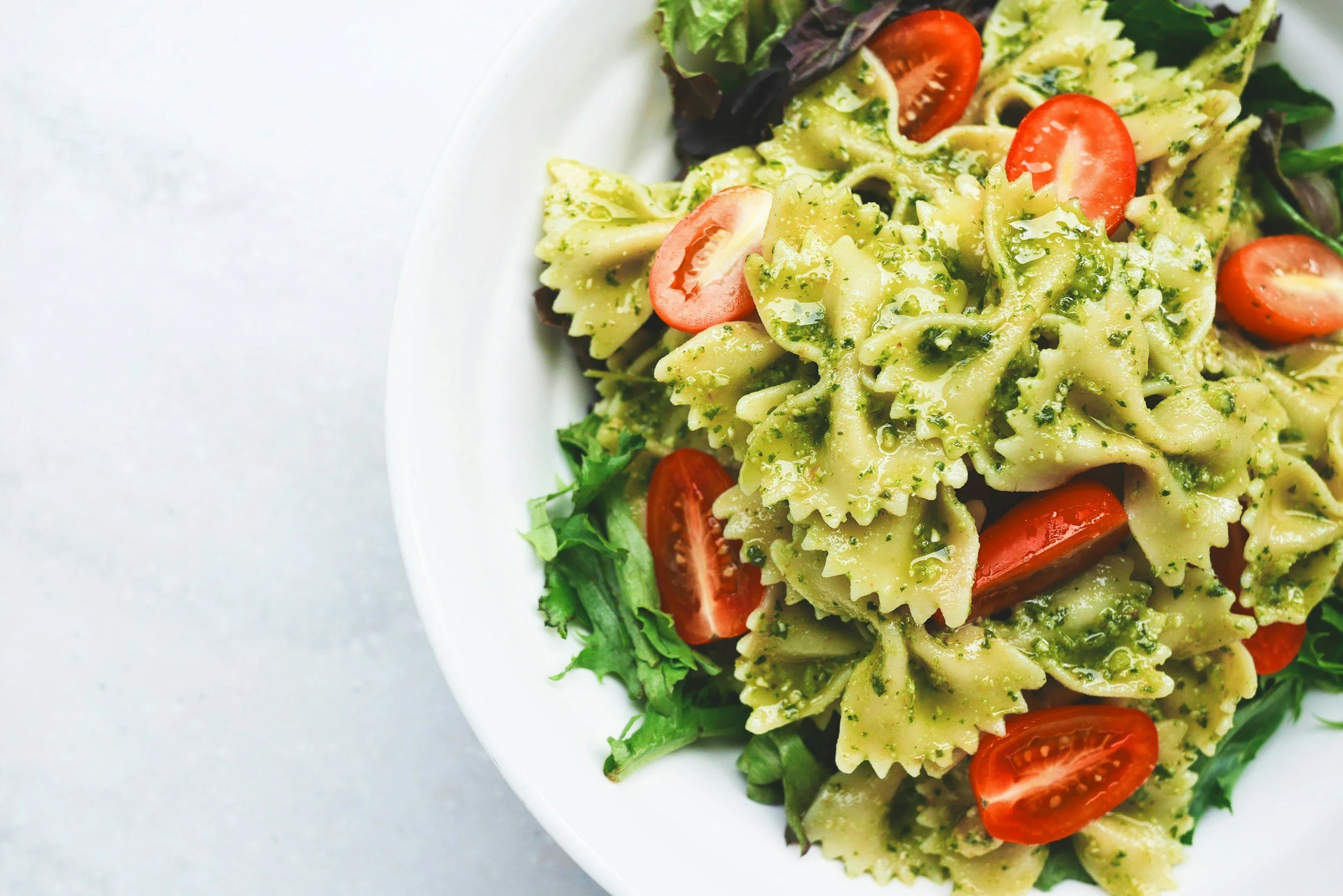
Suggestions for a Healthy, Eco-Friendly Diet
In light of these challenges, adopting a healthier, more sustainable diet can help mitigate some of the impacts on food security. Here are some actionable suggestions:
1. Prioritize Local and Seasonal Foods: Supporting local farmers not only reduces the carbon footprint associated with transportation but also promotes the local economy. Seasonal produce is often fresher and more nutritious.
2. Reduce Seafood Consumption from High-Risk Areas: Be mindful of where your seafood comes from. Opt for sustainably sourced fish and avoid species known to be heavily affected by plastic pollution.
3. Embrace Plant-Based Diets: Incorporating more plant-based meals can reduce the demand for resource-intensive animal farming. Beans, lentils, and grains are excellent sources of protein and can be grown sustainably.
4. Minimize Food Waste: Plan meals and store food properly to reduce waste. Composting can also help return nutrients to the soil, supporting local agriculture.
5. Educate and Advocate: Stay informed about food sourcing and advocate for policies that promote sustainable agriculture and waste management practices. Support initiatives aimed at cleaning up marine environments.
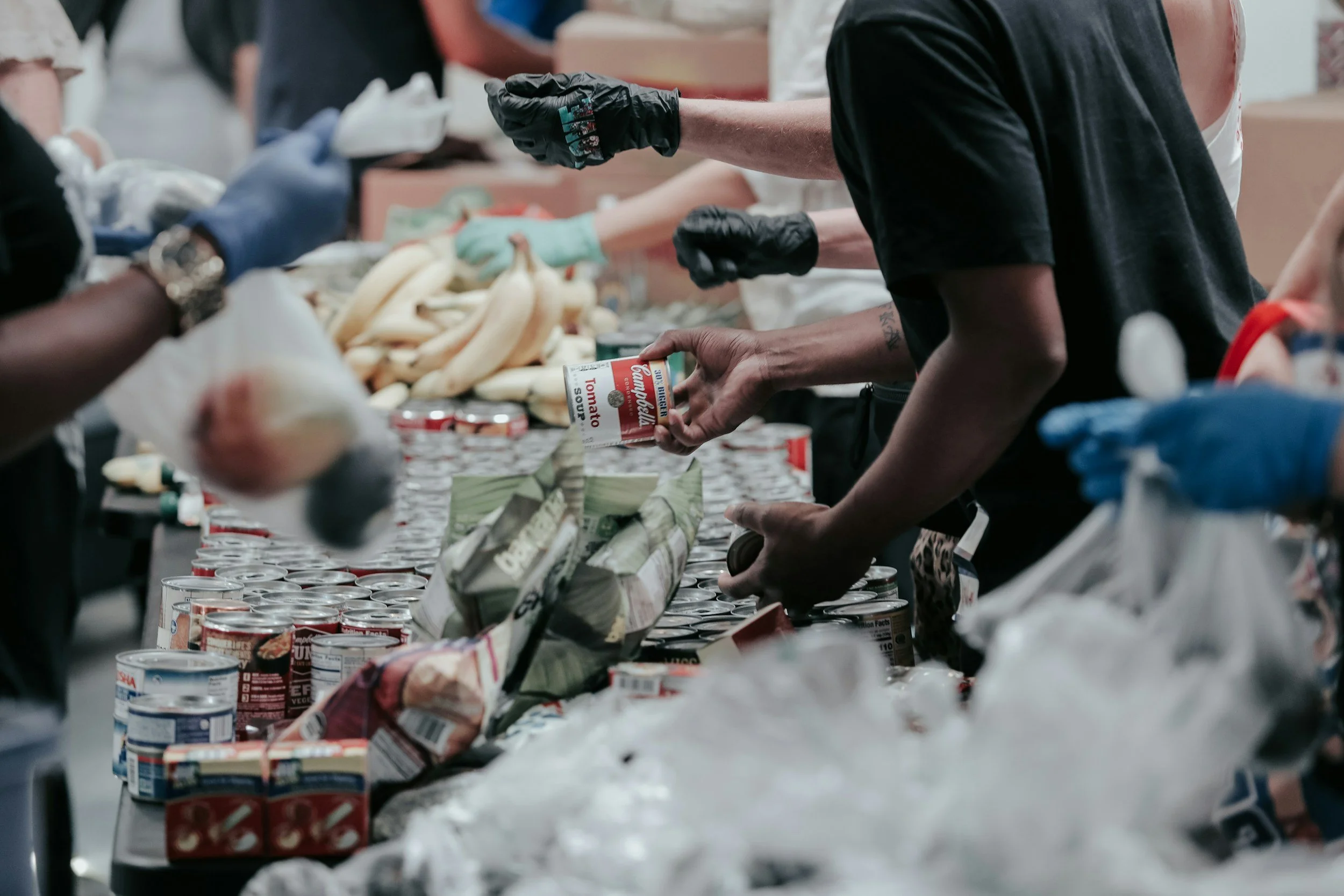
Food security is intertwined with environmental health, and addressing challenges like the Great Pacific Garbage Patch is essential for safeguarding our food systems. By adopting eco-friendly dietary practices and supporting sustainable agriculture, individuals can contribute to a healthier planet and a more secure food future. The time to act is now, as the choices we make today will shape our food landscape for generations to come.
Written by Marie Cresswell with research provided by Chat GPT.
https://www.bbc.com/future/article/20240115-visualising-the-great-pacific-garbage-patch