
Local Leaders Call for Holistic Approach to Environmental Action and Community Wellbeing


Kale Black,
Senior Program Manager,
BurlingtonGreen
An in-depth conversation between environmental advocate Kale Black, Senior Program Manager and business professional James Thomas Cole Cresswell from TCI, is shedding light on a more integrated, human-centered approach to climate action—one that blends environmentalism with personal wellbeing, community connection, and social awareness.
Black, a long-time leader with BurlingtonGreen, described his philosophy as “holistic environmentalism,” an approach that combines environmental advocacy with mindfulness practices, anti-racism education, and grassroots community events. According to Black, the organization’s strength lies not just in raising awareness, but in building relationships that help individuals move from feeling overwhelmed by climate change to taking meaningful, local action.

“We focus on connection,” Black explained, pointing to the power of community events to transform passive concern into active participation—whether through attending cleanups, signing petitions, or engaging in local initiatives. We engage partners in the community as well like the Rotary Club of Burlington Central (RCBC) on community cleanups and tree plantings, drawing on members who are eager to volunteer for environmental action. This dynamic partnership is rooted in a shared commitment to sustainability and directly supports Rotary International’s “Environment” area of focus. “By working together on various spring events, we act as stewards of the land, strengthening local ecosystems and inviting youth and community-minded Burlingtonians to discover the joy and impact of local service”, says Susan Jasper, President, RCBC.
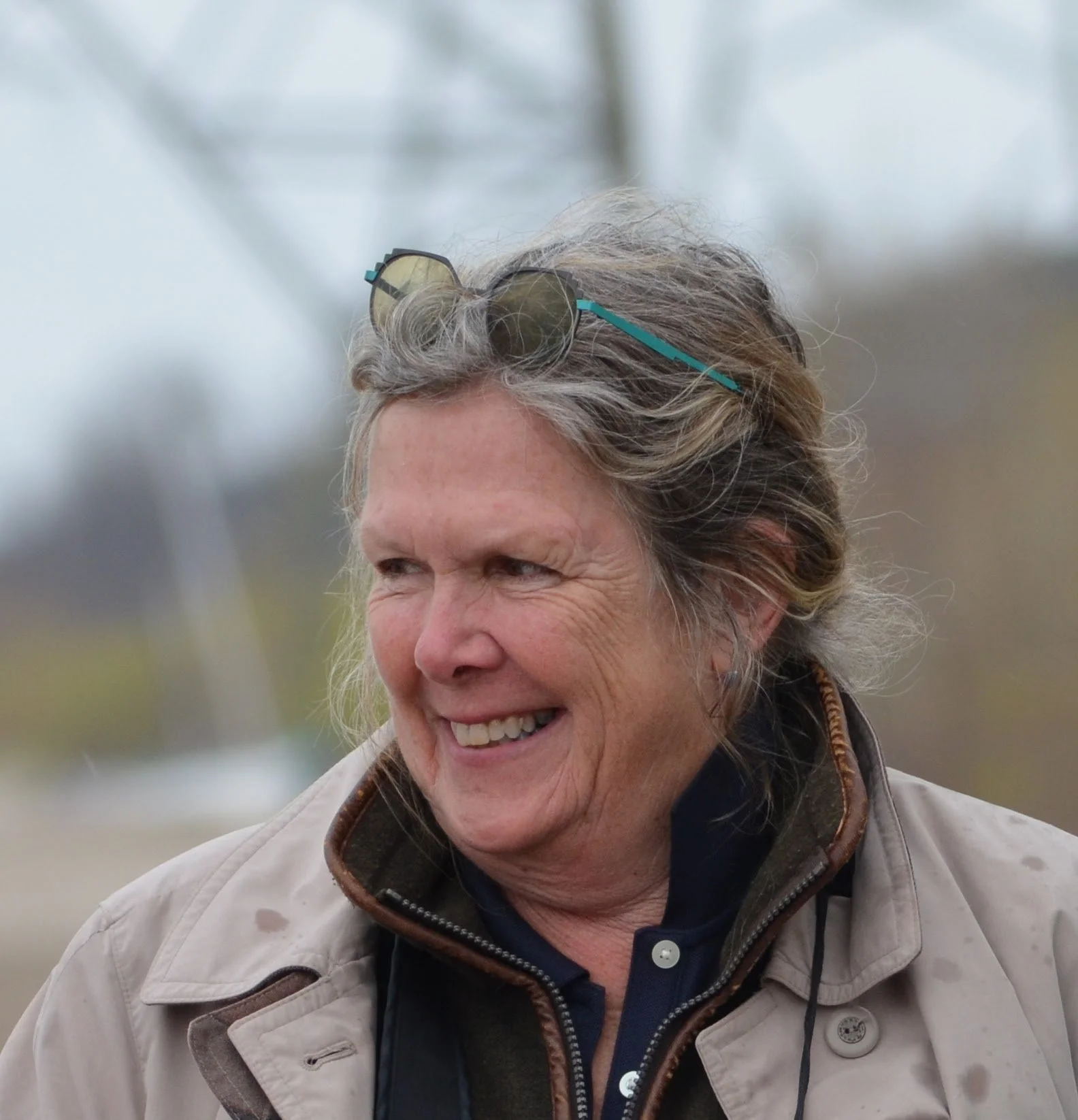
Susan Jasper,
President, RCBC.
“They are wonderful partners, so we're having fun while making a difference together. Their commitment and passion are inspiring”, adds Jasper.
Cresswell underscored the urgency of the climate crisis, with Black emphasizing that the window for systemic change is narrowing. At the same time, he highlighted the importance of practical, accessible outreach—particularly for younger generations. Teaching children simple daily habits and raising awareness about the environmental impact of screen time, artificial intelligence, and gaming hardware were cited as emerging priorities.
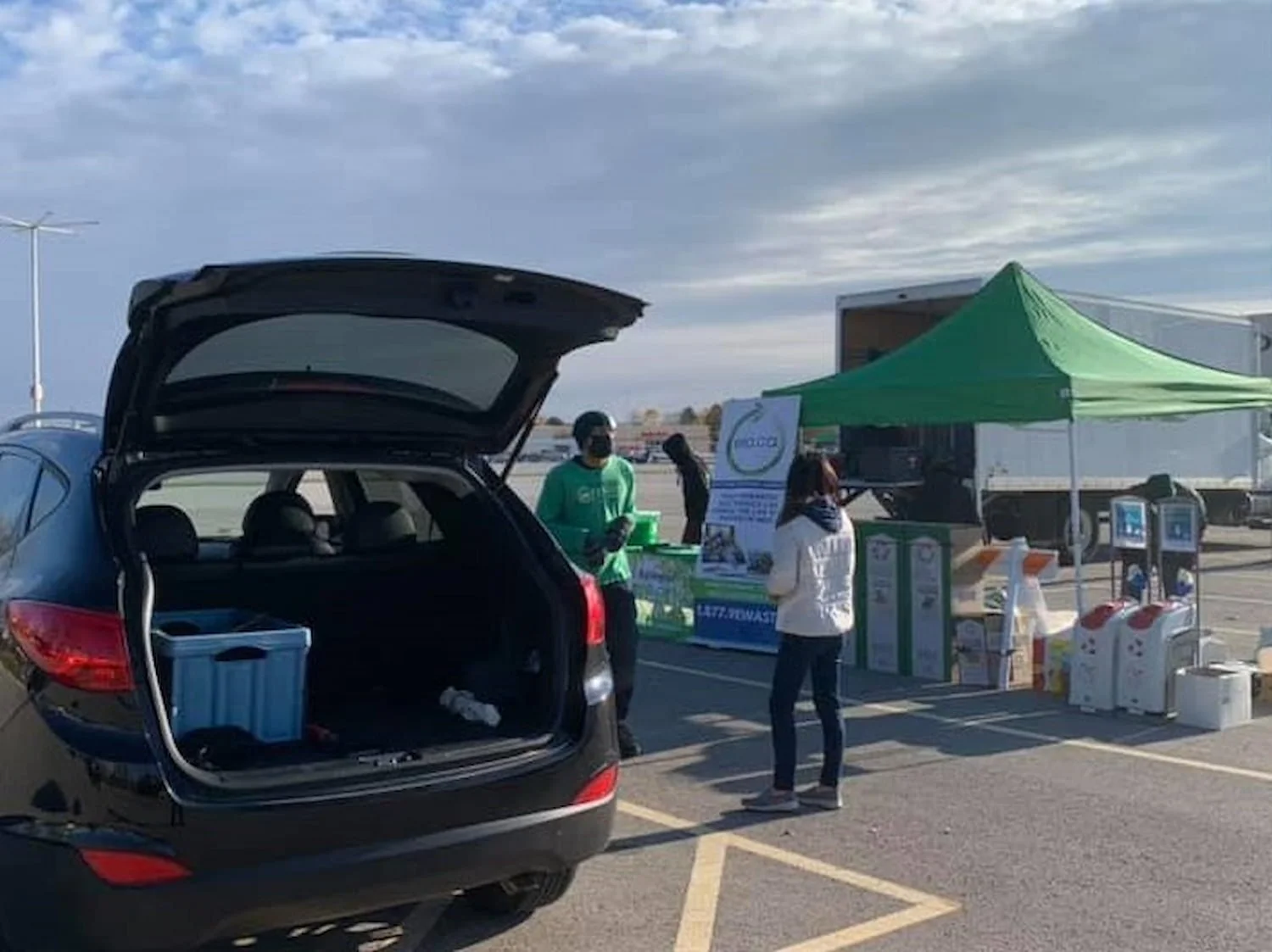
Youth engagement emerged as a central challenge and opportunity. Black advocated for making environmental work social, fun, and locally driven, with short-term volunteer opportunities that provide a sense of accomplishment. Examples include a Zero Waste Drop-Off event scheduled for May 23 and a guided community hike on May 9.
Source: https://www.burlingtongreen.org/
Both speakers connected effective leadership to emotional regulation and empathy. They argued that meaningful change requires not only external action but also internal work—developing a calm, regulated mindset and setting compassionate boundaries within complex and often unjust systems.
The conversation also touched on broader societal dynamics, including the role of social media in amplifying division and the importance of approaching difficult issues with empathy rather than “us versus them” thinking.
As communities grapple with the scale of the climate crisis, the conversation points to a growing recognition: lasting change may depend as much on how people connect and care for one another in a community as it does on the policies and technologies they pursue.

For more information on BurlingtonGreen visit https://www.burlingtongreen.org/
Should I buy it? For a Quick Guide to MindfulConsumption visit:
https://www.burlingtongreen.org/wp-content/uploads/2021/02/should-i-buy-it-guide.pdf