
Biogas Could Power the Hardest Parts of Net Zero
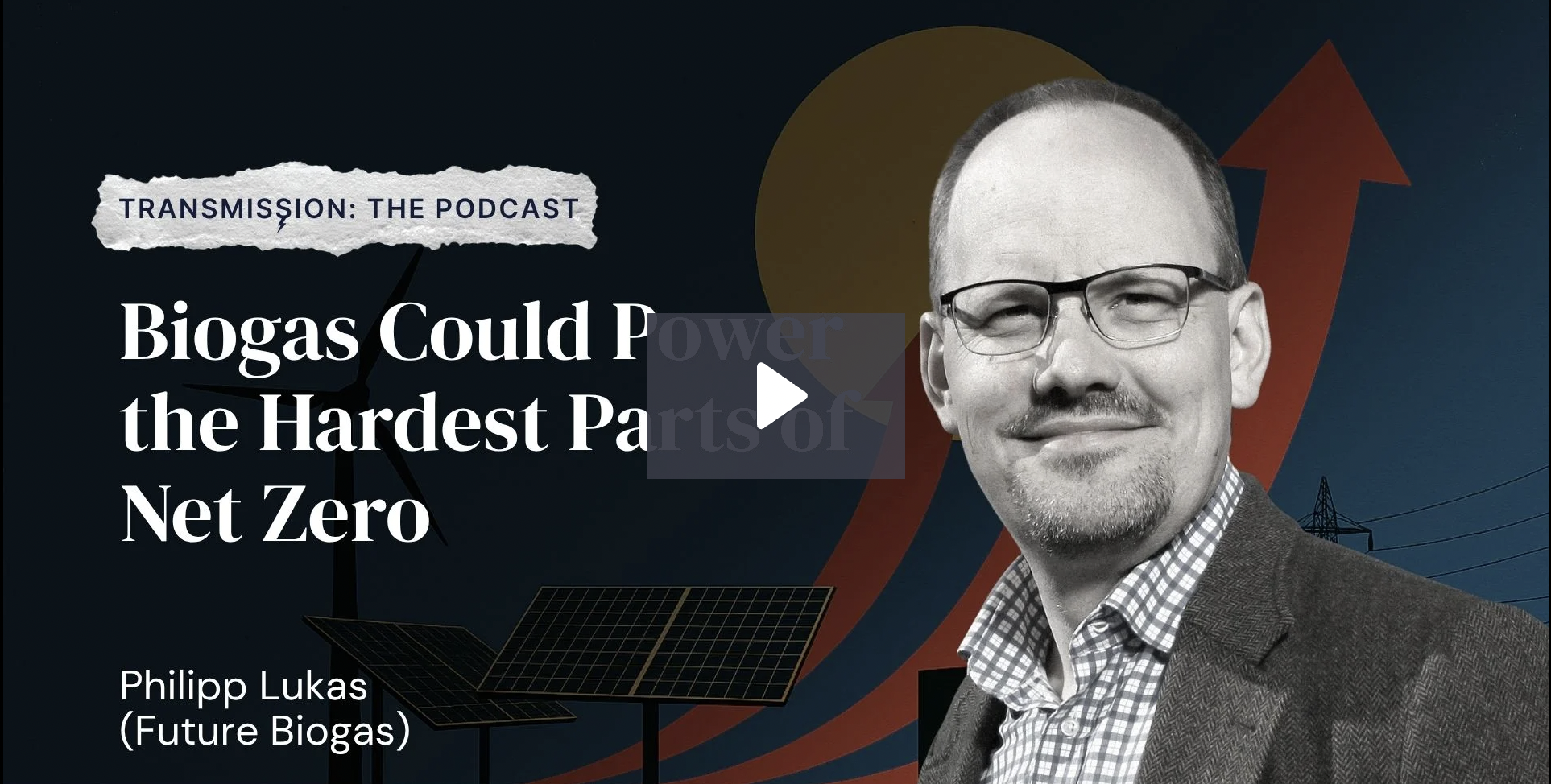
While the world is making great strides in decarbonizing electricity, the "hard to electrify" sectors—such as industrial heat, steel, glass, shipping, and aviation—have struggled to keep pace. In a recent episode of the Transmission podcast, hosted by Ed Porter, Philipp Lukas, founder and CEO of Future Biogas, made a compelling case for a solution that utilizes infrastructure we already have: biomethane.
Lukas challenges a common misconception: people often view biogas merely as a niche waste treatment technology. In reality, it has the potential to be a massive part of the solution for difficult-to-decarbonize sectors and high-heat applications.
The Magic of Anaerobic Digestion
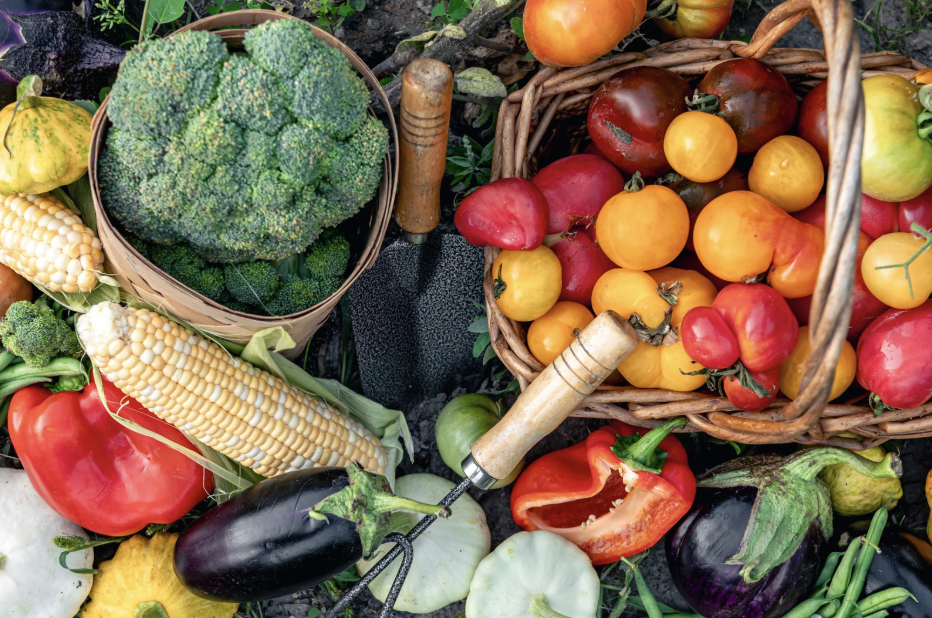
At its core, producing biogas involves placing organic materials—such as food waste, animal manure, sewage sludge, and agricultural byproducts—into large digestors held at 35 to 45 degrees Celsius. In the absence of air, a natural reaction known as anaerobic digestion occurs, producing a gas that is roughly a 60/40 mix of methane and carbon dioxide.
Because methane is effectively a one-for-one substitute for natural gas, it can be seamlessly integrated into our existing systems. To do this, the raw biogas is pushed through a gas upgrade unit with a membrane so fine that it acts as a sieve, stripping away the carbon dioxide and leaving behind nearly 100% pure biomethane.
The Gas Grid: Our Biggest Battery
Historically, biogas was often used inefficiently to generate electricity on-site. Today, however, the industry has shifted its focus to scrubbing the gas and injecting it directly into the gas network.
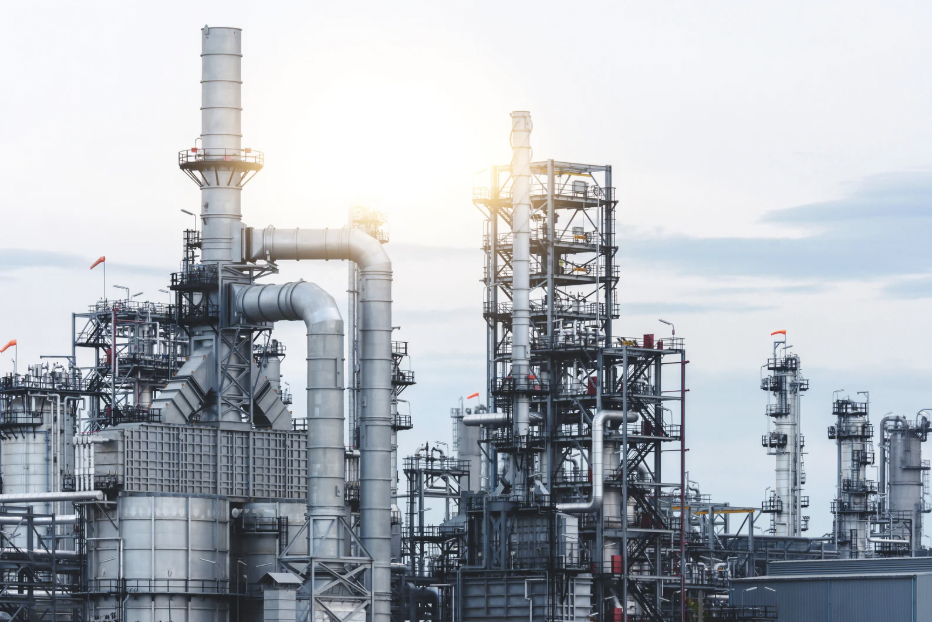
This is highly strategic because the gas grid is a massive, connected energy asset. In fact, Lukas points out that the gas grid is by far the biggest battery in the country. During a freezing winter week, the network holds eight days of gas storage, providing a colossal amount of energy to keep the country warm and lit.

Scaling Up: From 1% to a Core Energy Pillar
Currently, the UK consumes roughly 700 terawatt hours of gas annually. As the country builds out offshore wind and transitions homes to heat pumps, overall gas consumption is expected to shrink to between 150 and 250 terawatt hours by 2050.
Today, biomethane production in the UK sits at just five or six terawatt hours, accounting for roughly 1% of total gas usage. However, to reach net-zero targets, the industry believes biomethane must scale up to provide 50 to 60 terawatt hours, which is approximately ten times what is produced today. At that volume, biomethane could satisfy a massive chunk of the UK's remaining future gas needs.
A Circular Agricultural Economy
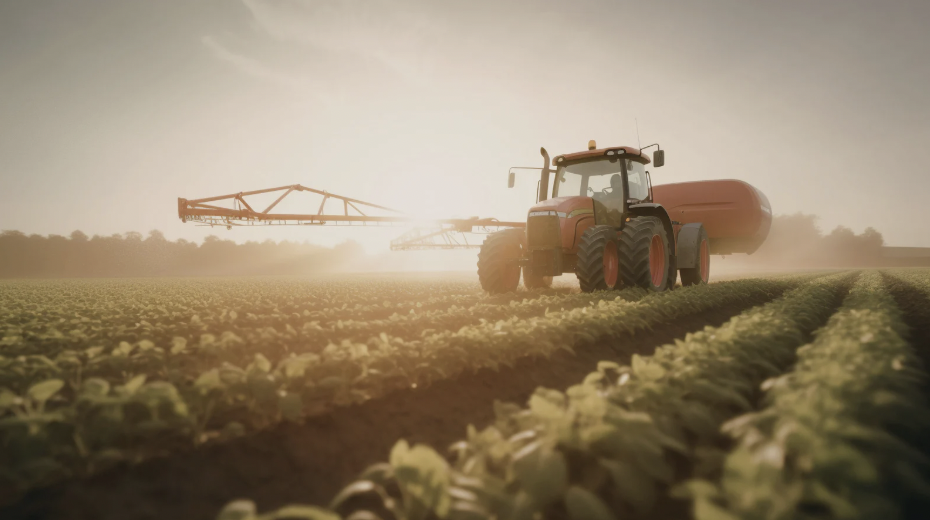
A significant portion of this growth will come from agricultural feedstocks. Unlike crop-based fuels like corn ethanol—which only utilize the seed or kernel—anaerobic digestion extracts energy from the entire plant.
Furthermore, growing crops for biogas can be integrated seamlessly into sustainable farm rotations, ensuring fields are never left bare. After the digestion process extracts the methane, the remaining byproduct is a highly valuable, nutrient-rich liquid fertilizer called digestate. This is returned to the fields, replacing fossil fuel-derived fertilizers, building soil organic matter, and creating climate resilience for farmers.

Bridging the Economic Gap
The transition is not without financial hurdles. Currently, fossil gas trades at around £40 to £42 per megawatt hour, while unsubsidized biomethane costs about two and a half times that amount to produce. However, as heavy industries are pulled into emissions trading schemes, they are paying penalties for their carbon output, which pushes their effective cost of fossil gas closer to £60 per megawatt hour.
Forward-thinking corporations aren't waiting for the market to fully close this gap. AstraZeneca, for instance, has contracted Future Biogas to supply fully unsubsidized biomethane to achieve its strict net-zero targets. The biomethane is injected into the grid in Lincolnshire, and AstraZeneca pulls an equivalent amount of energy from the network to power its facilities in Cambridge, Macclesfield, and Liverpool.
While the biomethane industry relied heavily on government subsidies over the past decade to build capacity, the future likely rests on corporate adoption and government obligations that will require fossil fuel suppliers to source a rising percentage of green gas. As these frameworks solidify, biomethane is stepping out of the shadows of waste management and proving to be an indispensable tool in the global energy transition.
For the podcast and full transcript, visit: modoenergy.com